Ultimate Guide to Selecting Industrial Circular Knitting Machines for Textile Manufacturing
In today's highly competitive textile manufacturing landscape, selecting the right circular knitting machine is a critical decision that directly impacts production efficiency, fabric quality, and overall profitability. Circular knitting machines are widely used in industries ranging from apparel and sportswear to technical textiles and medical fabrics. With rapid advancements in automation, material compatibility, and digital control systems, manufacturers now face a broader array of choices than ever before.
Choosing the most suitable machine requires a comprehensive understanding of several technical parameters, operational requirements, and long-term production goals. Factors such as gauge, cylinder diameter, yarn compatibility, machine speed, automation level, and after-sales support all play essential roles in determining the optimal investment. This article provides an in-depth guide to help manufacturers, investors, and textile professionals make informed decisions when selecting industrial circular knitting machines.
One of the most fundamental aspects to consider is the gauge of the circular knitting machine. Gauge refers to the number of needles per inch on the needle bed and determines the fineness or coarseness of the knitted fabric.
Machines with a higher gauge produce finer, smoother fabrics, making them ideal for lightweight garments such as T-shirts, underwear, and high-end fashion items. These fabrics typically require a soft hand feel and precise stitch formation. On the other hand, lower gauge machines are designed for thicker, more robust textiles such as sweaters, blankets, sportswear, and winter accessories.
Selecting the correct gauge depends entirely on your intended product range. For manufacturers producing diverse product lines, investing in multiple machines with different gauges may be necessary. Alternatively, some advanced machines offer adjustable configurations, though these may come at a higher cost.
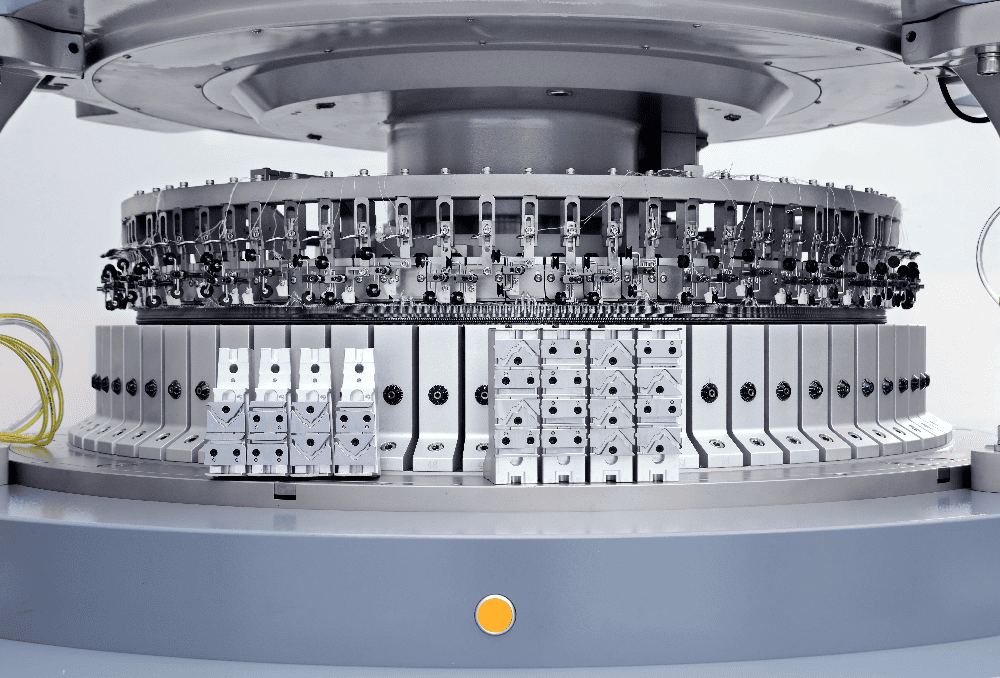
Another crucial parameter is the diameter of the knitting cylinder. The cylinder diameter determines the circumference of the fabric tube produced by the machine, which directly influences the width of the final textile.
Large-diameter machines are suitable for producing wide fabrics such as blankets, upholstery materials, and large garment panels. These machines are commonly used in bulk textile production where high output is required. In contrast, smaller-diameter machines are ideal for producing narrow fabrics like socks, sleeves, gloves, and seamless garments.
When evaluating cylinder size, manufacturers should carefully analyze their production requirements. Choosing a machine with an inappropriate diameter can lead to inefficiencies, material waste, and limitations in product design.
The type of yarn or fiber used in production is another key factor that significantly influences machine selection. Circular knitting machines are often designed to handle specific yarn types, including cotton, wool, polyester, nylon, acrylic, and blended fibers.
Different yarns have unique properties such as elasticity, tensile strength, and friction characteristics. Machines must be capable of handling these properties without causing yarn breakage, uneven tension, or fabric defects. For example, synthetic fibers may require precise tension control systems, while natural fibers demand gentler handling to maintain their integrity.
Modern machines often include adaptable feeding systems and interchangeable components that allow manufacturers to work with a wide range of yarns. For businesses planning to diversify their product offerings, investing in a machine with high material flexibility is a strategic advantage.
Production efficiency is a critical consideration in industrial environments, and machine speed plays a major role in determining output capacity. Circular knitting machine speed is typically measured in revolutions per minute (RPM).
High-speed machines enable manufacturers to produce larger volumes in shorter timeframes, which is particularly important for meeting large orders and tight deadlines. However, higher speeds must be balanced with fabric quality. Excessive speed can lead to defects such as dropped stitches, yarn breakage, and uneven fabric structures.
Advanced machines are equipped with optimized drive systems and precision controls that maintain consistent quality even at high speeds. When selecting a machine, it is important to evaluate both its maximum speed and its performance stability under continuous operation.
The level of automation in circular knitting machines has increased significantly in recent years. Modern machines incorporate advanced technologies such as computerized control systems, automatic yarn feeders, electronic pattern selection, and real-time monitoring.
Automation offers several advantages, including reduced labor costs, improved consistency, and enhanced production efficiency. Computerized systems allow operators to program complex patterns, adjust parameters quickly, and minimize human error. Additionally, sensors and monitoring systems can detect issues such as yarn breakage or needle damage, reducing downtime and maintenance costs.
For manufacturers aiming to stay competitive in the global market, investing in automated machinery is no longer optional but essential. However, the level of automation should align with the company's operational scale and workforce capabilities.
Versatility is another important consideration, especially for manufacturers producing a wide variety of fabrics. Some circular knitting machines are designed for specific applications, while others offer multi-functional capabilities.
Machines with interchangeable needle beds, multiple feeders, and modular configurations allow for greater flexibility in production. These features enable manufacturers to switch between different fabric types, patterns, and yarns with minimal downtime.
For example, a machine capable of producing both single jersey and rib fabrics can significantly expand a company's product portfolio. Similarly, machines with jacquard capabilities enable the creation of intricate patterns and designs, adding value to the final product.
The durability and reliability of a circular knitting machine depend heavily on the quality of its components. Key parts such as needles, cylinders, cams, and bearings must be manufactured to high precision standards to ensure consistent performance.
High-quality machines are typically made from durable materials that can withstand continuous operation in demanding industrial environments. Investing in a well-built machine reduces the risk of breakdowns, minimizes maintenance costs, and extends the machine's lifespan.
Manufacturers should also consider the availability of spare parts and the reputation of the supplier. Machines from reputable manufacturers are more likely to offer long-term reliability and consistent performance.
Maintenance is an inevitable aspect of operating industrial machinery, and circular knitting machines are no exception. Regular maintenance is essential to ensure optimal performance, prevent breakdowns, and maintain fabric quality.
When selecting a machine, it is important to evaluate its maintenance requirements and ease of servicing. Machines with user-friendly designs, accessible components, and clear maintenance guidelines are easier to manage.
Equally important is the availability of after-sales support. Reliable technical support, training programs, and prompt spare parts supply can significantly reduce downtime and operational disruptions. Manufacturers should prioritize suppliers that offer comprehensive support services and have a strong global presence.
With increasing emphasis on sustainability and environmental responsibility, energy efficiency has become a key consideration in machinery selection. Modern circular knitting machines are designed to minimize energy consumption while maintaining high productivity.
Energy-efficient machines not only reduce operational costs but also contribute to environmental sustainability. Features such as optimized motor systems, intelligent power management, and reduced friction components help achieve these goals.
In addition to energy efficiency, manufacturers should consider the machine's impact on material waste and resource utilization. Machines that produce consistent, defect-free fabrics help minimize waste and improve overall efficiency.
The cost of a circular knitting machine is a significant investment, and manufacturers must carefully evaluate the return on investment (ROI). While it may be tempting to choose the lowest-cost option, this approach can lead to higher long-term expenses due to maintenance, downtime, and lower productivity.
Instead, manufacturers should focus on the total cost of ownership, which includes initial purchase price, operating costs, maintenance expenses, and expected lifespan. High-quality machines with advanced features may have a higher upfront cost but often deliver better ROI through increased efficiency and reduced downtime.
It is also important to consider financing options, warranties, and potential resale value when making a purchasing decision.
Every manufacturing operation has unique production goals, and the choice of machinery should align with these objectives. Factors such as production volume, product diversity, target market, and growth plans all influence machine selection.
For large-scale manufacturers focused on mass production, high-speed, fully automated machines with large diameters may be the best choice. On the other hand, smaller manufacturers or those specializing in niche products may prioritize versatility and customization capabilities.
Careful planning and analysis of production requirements are essential to ensure that the selected machine meets both current needs and future expansion plans.
The circular knitting industry continues to evolve with advancements in technology and changing market demands. Some of the key trends shaping the industry include:
- Digitalization and Industry 4.0 Integration: Machines are increasingly connected to digital systems for real-time monitoring, data analysis, and predictive maintenance.
- Seamless Knitting Technology: Growing demand for seamless garments is driving innovation in machine design and capabilities.
- Sustainable Manufacturing: Eco-friendly materials and energy-efficient machines are becoming standard requirements.
- Customization and Small-Batch Production: Flexible machines that support quick changes and customization are gaining popularity.
Staying informed about these trends can help manufacturers make forward-looking investment decisions and remain competitive in the global market.
Selecting the right industrial circular knitting machine is a complex but crucial decision that requires careful consideration of multiple factors. From gauge and cylinder diameter to yarn compatibility, automation, and cost, each aspect plays a vital role in determining the machine's suitability for specific applications.
Manufacturers must take a holistic approach, evaluating not only the technical specifications but also the long-term operational and financial implications. By aligning machine selection with production goals, investing in quality and innovation, and prioritizing efficiency and sustainability, businesses can achieve optimal performance and maintain a competitive edge in the textile industry.
As the industry continues to evolve, those who make informed and strategic equipment choices will be best positioned to capitalize on new opportunities and drive sustainable growth.

We have been committed to manufacturing all types of circular knitting machines with great quality and reasonable price for a long time. Our professional team is highly specialized and problem-solving oriented. We put the most effort into meeting your knitting demands, achieving a win-win situation.