Step-by-Step Guide to Jacquard Pattern Change in Circular Knitting Machines
In modern textile manufacturing, automation and digital control systems have significantly transformed knitting production. Among the most advanced machines in the industry is the double jersey computerized jacquard circular knitting machine, which enables manufacturers to produce highly intricate, multi-color, and high-precision fabric designs with exceptional efficiency.
However, despite its advanced automation, one of the most critical operational processes remains pattern changeover. The ability to correctly and efficiently change knitting patterns directly impacts production flexibility, machine uptime, fabric quality, and overall manufacturing productivity. For many operators—especially those new to computerized jacquard systems—the process may initially appear complex due to the integration of mechanical components, electronic control systems, and digital pattern files.
In reality, once a structured workflow is understood and followed, pattern changing becomes a systematic and repeatable procedure. This article provides a comprehensive, step-by-step guide to changing patterns on a double jersey computerized jacquard circular knitting machine. It also covers essential preparation steps, software usage, machine setup, testing procedures, production execution, and long-term maintenance practices.
By following these guidelines, textile manufacturers can minimize errors, reduce downtime, improve fabric consistency, and fully utilize the capabilities of their jacquard knitting systems.
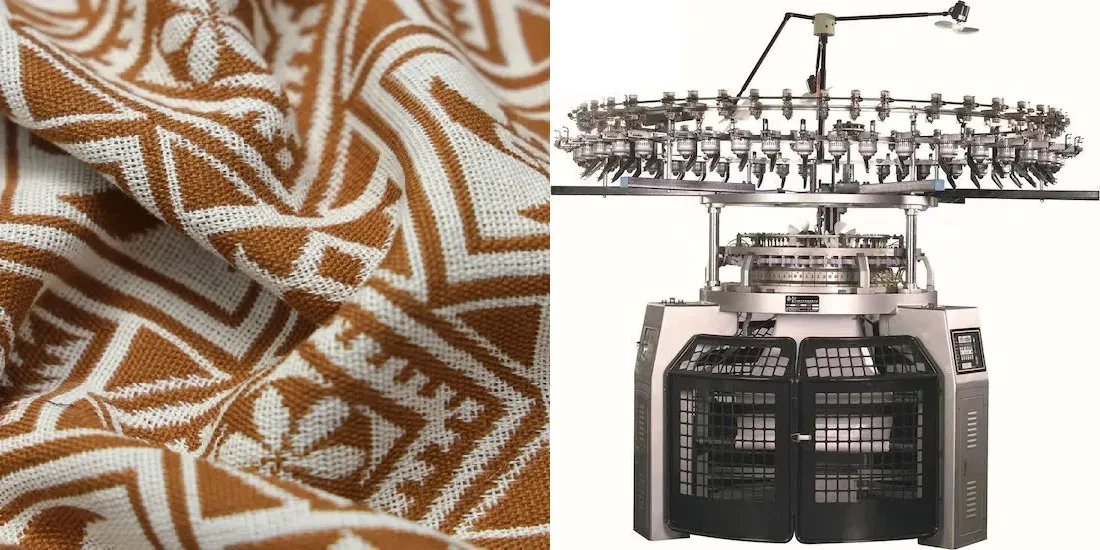
Before performing any operational adjustments, it is essential to understand the structure and working principles of the machine.
A double jersey computerized jacquard circular knitting machine is designed to produce complex knitted fabrics using electronically controlled needle selection systems. Unlike traditional mechanical jacquard machines, the computerized version uses digital instructions to control individual needle movements, allowing for highly detailed patterns, textures, and multi-layer fabric structures.
Key Components Include:
- Needle cylinders (double jersey configuration)
- Electronic jacquard control system
- Yarn feeders and tension controllers
- Pattern selection software interface
- Drive motor system
- Fabric take-down mechanism
- Electronic needle selection modules
Each component plays a critical role in ensuring pattern accuracy and fabric consistency. A clear understanding of how these systems interact is essential before attempting any pattern changes.
Successful pattern change begins with operator familiarity. Before engaging in any production adjustments, operators should carefully review the machine manufacturer's technical manual.
Important Areas to Study:
- Machine control panel functions
- Software interface navigation
- Pattern file formats and compatibility
- Safety procedures and emergency stop systems
- Yarn feeding and tension adjustment mechanisms
- Needle selection principles in jacquard systems
Operators should also be trained to recognize basic machine alerts and error messages. Many modern machines include touchscreen interfaces that display diagnostic information, making it easier to identify issues during pattern loading or production.
Proper familiarization reduces operational errors and ensures smoother transition between different fabric designs.
Once machine operation is clearly understood, the next step involves designing the fabric pattern using computer-aided design (CAD) software.
Modern textile CAD systems allow designers to create highly detailed knitting patterns with precise control over stitch structure, color arrangement, and fabric density.
Key Considerations in Pattern Design:
- Compatibility with machine gauge and needle arrangement
- Yarn type and color limitations
- Fabric density and structure requirements
- Repetition size and pattern scaling
- Technical feasibility of jacquard execution
The designed pattern must be converted into a machine-readable format, typically proprietary file types depending on the machine brand. Common formats may include specialized jacquard pattern files that define needle selection instructions for each course of knitting.
Before exporting, designers should simulate the pattern within CAD software to detect errors or inconsistencies.
After finalizing the design, the pattern file must be transferred to the machine's control system.
Most modern jacquard knitting machines support multiple transfer methods, including:
- USB flash drives
- SD cards
- Direct LAN connection
- Wireless data transfer (on advanced systems)
File Transfer Procedure:
- Export the final CAD pattern file in the correct format.
- Insert the USB or SD card into the machine interface.
- Navigate to the file import section on the control panel.
- Select the correct file from the storage device.
- Confirm successful upload to the machine memory.
It is important to ensure that only compatible and verified files are loaded to avoid system errors or pattern corruption.
Proper machine preparation is essential before activating a new pattern. Incorrect setup may result in fabric defects, yarn breakage, or machine malfunction.
Key Setup Steps Include:
Ensure that the correct yarn types, counts, and colors are loaded according to the pattern requirements. Yarn tension must be adjusted uniformly across all feeders.
Check needle condition, sinkers, cams, and cylinder alignment. Any worn or damaged components should be replaced before production begins.
Set fabric take-down tension according to the new pattern's density requirements. Improper tension may distort fabric structure.
Ensure all moving parts are properly lubricated and free of lint or debris.
Following these steps ensures that the machine is fully prepared for accurate pattern execution.
Once the system is ready, operators can proceed to select the newly loaded pattern through the machine interface.
Depending on machine design, this may involve:
- Touchscreen navigation
- Button-based control panels
- Software-driven selection menus
Pattern Selection Steps:
- Access the pattern management menu.
- Locate the newly uploaded file.
- Confirm pattern details (name, size, repeat count).
- Set it as the active production pattern.
- Verify machine readiness status.
Modern computerized jacquard systems often provide a preview function, allowing operators to visualize the pattern before production begins.
Before full-scale production, a test run is essential to validate pattern accuracy and machine performance.
Objectives of Test Run:
- Verify correct needle selection
- Check color alignment and yarn feeding
- Detect pattern distortion or misalignment
- Evaluate fabric density and texture
- Identify mechanical or software errors
During this phase, only a small section of fabric is produced. Operators should carefully inspect the output for defects or inconsistencies.
If issues are detected, adjustments may be required in:
- Yarn tension settings
- Pattern file corrections
- Needle selection timing
- Machine speed settings
A successful test run ensures confidence before large-scale production begins.
After successful testing, full production can begin.
Production Setup Steps:
- Load the main fabric roll or starting yarn.
- Confirm alignment with take-down system.
- Set production speed according to fabric type.
- Activate continuous knitting mode.
- Monitor initial production output closely.
During early production stages, operators should remain vigilant to ensure consistent quality. Any abnormal noise, yarn breakage, or pattern distortion should be addressed immediately.
Maintaining consistent fabric quality is essential in jacquard knitting operations.
Key Quality Control Checks:
- Pattern accuracy and repetition consistency
- Fabric elasticity and density
- Color matching and alignment
- Yarn tension stability
- Surface defects such as holes or skips
Many factories implement periodic inspection intervals during production to ensure consistent quality output.
Advanced systems may also include automated defect detection sensors.
Regular maintenance plays a crucial role in ensuring long-term machine performance and minimizing downtime.
Daily Maintenance Tasks:
- Clean dust and lint from needle beds
- Inspect yarn feeders
- Check lubrication levels
- Monitor electronic control systems
Weekly Maintenance Tasks:
- Inspect needle condition
- Clean air and cooling systems
- Test emergency stop functions
Monthly Maintenance Tasks:
- Deep cleaning of mechanical components
- Software system updates
- Calibration of needle selection accuracy
Proper maintenance not only extends machine lifespan but also ensures consistent pattern accuracy over time.
Even with proper procedures, operators may occasionally encounter issues during pattern changes.
Common Problems Include:
Pattern Misalignment
Often caused by incorrect file settings or mechanical timing errors.
Yarn Breakage
May result from improper tension or poor yarn quality.
Needle Selection Errors
Usually linked to software configuration or damaged selection components.
File Loading Failure
Typically caused by incompatible file formats or corrupted data.
Troubleshooting Approach:
- Recheck pattern file format
- Inspect machine calibration
- Restart control system
- Verify mechanical alignment
- Consult manufacturer guidelines
Systematic troubleshooting helps quickly restore production efficiency.
The textile industry continues to evolve with advancements in automation and digital manufacturing.
Emerging Trends Include:
AI-Assisted Pattern Design
Artificial intelligence is increasingly used to optimize knitting patterns for efficiency and aesthetics.
IoT-Enabled Monitoring
Machines can now be remotely monitored for performance and maintenance needs.
Fully Automated Production Lines
Integration of robotic handling systems is improving production efficiency.
Cloud-Based Pattern Libraries
Designers can store and access pattern files globally.
These innovations are expected to further simplify pattern change processes and enhance production flexibility.
Changing patterns on a double jersey computerized jacquard circular knitting machine is a structured process that combines digital design, mechanical preparation, and precise machine control. While the system may appear complex at first, following a clear and systematic workflow ensures smooth and efficient operation.
From machine familiarization and CAD design to file transfer, setup, testing, and production, each step plays a vital role in achieving high-quality textile output. Regular maintenance and proper troubleshooting further enhance machine reliability and reduce downtime.
As textile manufacturing continues to advance, mastering these processes allows manufacturers to stay competitive, improve production flexibility, and fully leverage the capabilities of modern jacquard knitting technology.

We have been committed to manufacturing all types of circular knitting machines with great quality and reasonable price for a long time. Our professional team is highly specialized and problem-solving oriented. We put the most effort into meeting your knitting demands, achieving a win-win situation.