Jacquard Knitting Machine Maintenance: Essential Tips for Efficiency and Longevity
Feb 21, 2026
In the highly competitive textile manufacturing sector, efficiency, fabric quality, and machine uptime determine profitability. Among advanced textile technologies, Jacquard knitting machines stand out for their ability to produce complex patterns, intricate textures, and high-value fabrics. However, these sophisticated machines require meticulous maintenance to ensure consistent performance, minimize downtime, and extend service life. As global textile demand grows and automation becomes more advanced, proper maintenance of Jacquard knitting machines is no longer optional — it is a strategic necessity.
This news report explores maintenance principles, best practices, emerging technologies, common issues, industry standards, and future trends shaping the upkeep of Jacquard knitting machines worldwide.
Jacquard knitting machines are advanced textile systems designed to create complex knitted patterns through individual needle selection. Unlike conventional knitting machines that repeat simple patterns, Jacquard machines can produce multi-color, multi-texture, and highly detailed fabrics used in:
- Fashion apparel
- Sportswear
- Upholstery textiles
- Technical fabrics
- Automotive interiors
- Home furnishings
Because these machines rely on electronic needle selection systems, precision mechanical parts, and high-speed operation, their performance depends heavily on regular maintenance and calibration.
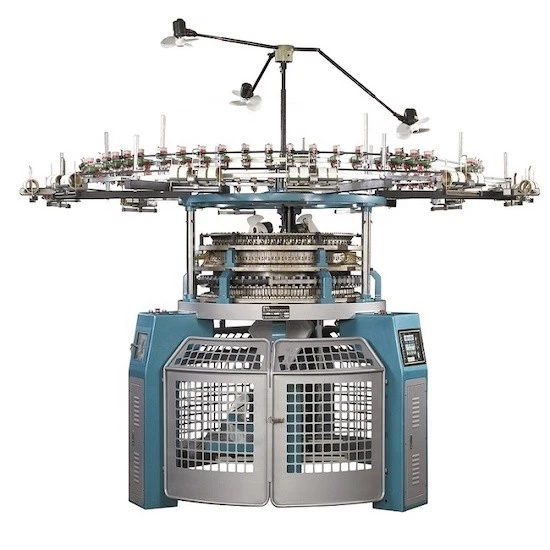
Maintenance plays a decisive role in determining machine reliability and product quality. Poorly maintained Jacquard knitting machines can lead to:
- Pattern distortion
- Yarn breakage
- Needle damage
- Fabric defects
- Reduced productivity
- Higher operational costs
Routine servicing ensures that mechanical components operate smoothly, electronic systems remain stable, and yarn feeding systems deliver consistent tension.
- Increased machine lifespan
- Reduced unplanned downtime
- Improved fabric quality
- Lower repair costs
- Higher production efficiency
- Enhanced operator safety
For textile manufacturers operating on tight production schedules, even minor equipment failures can cause significant delays and financial losses. Preventive maintenance is therefore essential.
Maintaining a Jacquard knitting machine involves systematic inspection and servicing of several critical systems.
Needles and sinkers are among the most delicate components. They must be inspected frequently for:
- Wear
- Bending
- Rust
- Burr formation
Damaged needles can cause missed stitches, dropped loops, or fabric holes. Replacing worn needles promptly prevents defects from spreading across large production batches.
The yarn feed mechanism controls yarn tension and flow. Dust, lint, or oil contamination can disrupt feeding consistency. Maintenance includes:
- Cleaning tension discs
- Checking yarn guides
- Inspecting feed rollers
- Calibrating tension sensors
Proper lubrication reduces friction between moving components. Without adequate lubrication, machines may overheat, generate noise, or experience accelerated wear. Operators must ensure:
- Correct lubricant type
- Proper lubrication intervals
- Clean oil lines
- Leak-free reservoirs
Modern Jacquard machines rely on electronic pattern controllers and sensors. Maintenance tasks include:
- Firmware updates
- Cable inspections
- Sensor calibration
- Connector cleaning
Even minor electrical faults can disrupt pattern accuracy or halt machine operation entirely.
The cam system controls needle motion and stitch formation. Misalignment or wear can lead to uneven loops or mechanical stress. Routine checks should verify:
- Cam positioning
- Belt tension
- Gear alignment
- Motor stability
Textile manufacturers typically follow two maintenance approaches:
This strategy involves scheduled servicing to prevent failures before they occur. It includes cleaning, lubrication, inspections, and component replacement at predefined intervals. Preventive maintenance is widely regarded as the most cost-effective method because it minimizes emergency repairs and downtime.
Corrective maintenance occurs after a machine fault or breakdown. While sometimes unavoidable, relying solely on corrective maintenance can result in production losses, urgent spare-parts procurement, and higher repair expenses.
With the integration of sensors and monitoring software, predictive maintenance is becoming increasingly popular. This method uses real-time data to predict component wear and schedule maintenance precisely when needed, optimizing efficiency and reducing unnecessary servicing.
Routine daily inspections are essential for maintaining machine performance. Operators should perform the following checks before each shift:
- Remove lint and debris from machine surfaces
- Inspect needles for visible damage
- Check yarn tension consistency
- Verify lubrication levels
- Listen for abnormal noise
- Confirm pattern program accuracy
Daily care prevents small issues from escalating into serious mechanical failures.
In addition to daily routines, deeper inspections should be scheduled regularly.
Weekly Tasks
- Clean yarn feeding assemblies
- Inspect electrical connections
- Check drive belts
- Examine cams for wear
Monthly Tasks
- Test sensor calibration
- Inspect motors and bearings
- Flush lubrication lines if necessary
- Check structural bolts and fasteners
A structured maintenance calendar helps ensure that no critical component is overlooked.
Even well-maintained Jacquard knitting machines may encounter occasional issues. Recognizing early warning signs can prevent serious breakdowns.
1. Pattern Errors
Often caused by software glitches, damaged cables, or faulty sensors.
2. Yarn Breakage
Usually due to excessive tension, rough yarn guides, or improper lubrication.
3. Machine Vibration
May indicate worn bearings, loose bolts, or unbalanced drive systems.
4. Overheating
Often linked to insufficient lubrication or blocked ventilation.
5. Uneven Fabric Texture
Can result from misaligned cams or worn needles.
- Stop the machine immediately if abnormal noise occurs.
- Identify the problem area before restarting.
- Replace faulty components instead of temporary fixes.
- Record recurring issues to identify patterns.
Maintenance effectiveness depends not only on procedures but also on operator expertise. Skilled technicians can identify subtle performance changes that automated monitoring systems may not detect.
Training programs should cover:
- Machine structure and functions
- Basic electrical knowledge
- Lubrication principles
- Safety procedures
- Troubleshooting techniques
Well-trained operators act as the first line of defense against mechanical failure.
Efficient spare-parts management is a critical but often overlooked aspect of maintenance. Textile factories should maintain an inventory of essential components, such as:
- Needles
- Sinkers
- Belts
- Sensors
- Fuses
- Bearings
Keeping spare parts readily available reduces downtime when replacements are needed. Inventory planning should be based on usage frequency, machine workload, and supplier lead times.
Operating environment plays a major role in machine reliability.
Temperature
Extreme heat can cause lubricant degradation and electronic instability.
Humidity
High humidity promotes corrosion and electrical short circuits.
Dust and Lint
Accumulated lint can clog mechanisms, block sensors, and interfere with yarn feeding.
Maintaining a clean, climate-controlled production area significantly improves machine performance and longevity.
Maintenance procedures must prioritize worker safety. Jacquard knitting machines contain moving parts, electrical systems, and sharp components. Safety protocols include:
- Disconnecting power before servicing
- Wearing protective gloves and eyewear
- Using approved tools
- Following lockout-tagout procedures
Regular safety training reduces accident risks and ensures compliance with occupational regulations.
Automation is transforming maintenance practices in textile manufacturing. Smart Jacquard machines now incorporate:
- Self-diagnostic software
- Error alerts
- Performance monitoring dashboards
- Remote troubleshooting capabilities
These features allow technicians to detect problems early, sometimes before operators notice performance changes. Remote monitoring also enables manufacturers to support customers without onsite visits, reducing service time and cost.
Maintenance is often perceived as an expense, but in reality, it is a cost-saving investment. Studies show that preventive maintenance can reduce repair expenses by up to 40% and increase machine productivity by as much as 20%.
Financial benefits include:
- Lower downtime losses
- Reduced scrap fabric
- Extended equipment lifespan
- Improved production planning accuracy
For large-scale textile facilities operating multiple Jacquard machines, the financial impact of maintenance strategy can be substantial.
Sustainability has become a central focus in the textile industry. Proper machine maintenance contributes directly to environmental responsibility by:
- Reducing energy consumption
- Minimizing material waste
- Extending equipment life cycles
- Lowering replacement frequency
Well-maintained machines operate more efficiently, consume less electricity, and produce fewer defective fabrics — all of which support sustainable manufacturing goals.
Several emerging trends are influencing how manufacturers maintain Jacquard knitting machines:
Digital Maintenance Platforms
Cloud-based systems store maintenance records, schedule servicing, and track machine performance metrics.
AI-Driven Diagnostics
Artificial intelligence can analyze operational data to predict component failure with high accuracy.
Remote Technical Support
Manufacturers can diagnose issues through online systems and guide technicians step-by-step.
Condition Monitoring Sensors
Sensors track vibration, temperature, and motor load, enabling predictive maintenance strategies.
These innovations are transforming maintenance from a reactive process into a proactive, data-driven discipline.
Industry experts recommend several best practices for maintaining Jacquard knitting machines:
- Establish a structured maintenance schedule.
- Train operators regularly.
- Keep detailed service records.
- Use high-quality lubricants and spare parts.
- Maintain a clean operating environment.
- Monitor machine performance metrics.
- Replace worn components promptly.
- Partner with reliable equipment suppliers.
Adopting these practices ensures consistent productivity and minimizes unexpected downtime.
As textile machinery becomes more sophisticated, maintenance requirements will evolve alongside technological advancements. Future developments may include:
- Fully automated self-cleaning systems
- AI-controlled lubrication
- Predictive failure alerts integrated with supply chains
- Digital twin simulations for maintenance planning
Such innovations will further reduce downtime and enhance manufacturing efficiency.
Jacquard knitting machines represent the pinnacle of textile engineering, capable of producing intricate fabrics that meet modern market demands. However, their performance and reliability depend heavily on systematic maintenance. From daily inspections and lubrication to predictive diagnostics and skilled operator training, every aspect of upkeep contributes to operational success.
In an industry where precision, speed, and quality determine competitiveness, maintenance is not merely a technical task — it is a strategic investment. Manufacturers who prioritize proper servicing of Jacquard knitting machines can achieve higher productivity, lower costs, improved fabric quality, and longer equipment life.
As automation, data analytics, and smart monitoring technologies continue to advance, maintenance practices will become even more efficient and predictive. For textile producers seeking long-term success, embracing modern maintenance strategies is essential. Properly maintained Jacquard knitting machines will remain a cornerstone of high-quality textile production in the years ahead.
Next: Working Principle of Interlock Circular Knitting Machines: A Comprehensive Guide
Previous: Complete Guide to Interlock Open Width Knitting Machines for Modern Textile Production

We have been committed to manufacturing all types of circular knitting machines with great quality and reasonable price for a long time. Our professional team is highly specialized and problem-solving oriented. We put the most effort into meeting your knitting demands, achieving a win-win situation.