How Circular Knitting Machines Are Revolutionizing Sportswear and Yoga Wear Production
Oct 17, 2025
In today’s dynamic world of activewear, yoga wear and sportswear have become much more than just exercise outfits — they represent a fusion of performance, comfort, and fashion. From yoga studios to casual city strolls, these garments embody versatility and innovation. But behind every stretchable, breathable, and soft-to-touch piece of sportswear lies a highly specialized textile manufacturing process. At the core of this process is one of the most important pieces of equipment in modern textile production — the circular knitting machine.
Circular knitting machines have transformed how sportswear fabrics are produced. By integrating high-speed automation with precise knitting mechanisms, they create fabrics that offer excellent elasticity, durability, and comfort. Whether it’s yoga leggings, sports bras, or compression tops, these machines are the backbone of high-performance apparel manufacturing.
Among the various types, single jersey circular knitting machines and double jersey circular knitting machines are particularly favored for producing sportswear fabrics. When combined with advanced materials such as spandex (elastane) and nylon or polyester blends, these machines deliver the flexibility and support needed in modern athletic garments.
Circular knitting machines are designed to produce tubular fabrics through a circular arrangement of needles. Unlike flat knitting machines that create flat sheets of fabric, circular knitting machines continuously knit in a loop, making them ideal for seamless or tubular garments.
These machines can produce both single-knit and double-knit fabrics:
Single Jersey Circular Knitting Machines: Produce lightweight, elastic, and breathable fabrics, suitable for yoga tops, leggings, and seamless wear.
Double Jersey Circular Knitting Machines: Create thicker, more stable fabrics with two sets of needles, commonly used for sportswear that demands greater durability or compression.
The diameter of the machine and the needle gauge (number of needles per inch) determine the fineness and stretch characteristics of the final fabric. For high-quality sportswear and yoga wear, fine gauge machines (28G–32G) are typically used, ensuring smooth textures and even elasticity.
Seamless technology represents one of the most significant advancements in textile production in recent decades. Traditionally, clothing is made through a multi-step process involving weaving or knitting, cutting, and sewing. Seamless technology, however, bypasses much of this process by producing garments in one continuous piece directly on a circular knitting machine.
Using computer-aided design (CAD) and programmable knitting instructions, seamless knitting machines can create entire garments — including shape, structure, and pattern — without the need for separate stitching or joining.
This innovative process offers multiple advantages:
Enhanced Comfort: The absence of seams eliminates friction points on the body, making seamless garments perfect for active movements and long wear.
Superior Fit: Seamless garments adapt naturally to body contours, offering a “second-skin” feel.
Improved Durability: Fewer seams mean fewer weak points, reducing the risk of tearing or unraveling.
Eco-Friendly Production: Since there’s no fabric cutting waste, seamless knitting helps reduce material waste and energy consumption.
For yoga wear and athletic apparel, seamless knitting technology has become an industry standard. It enables manufacturers to design garments that not only perform under intense physical activity but also meet modern consumers’ expectations for comfort and sustainability.
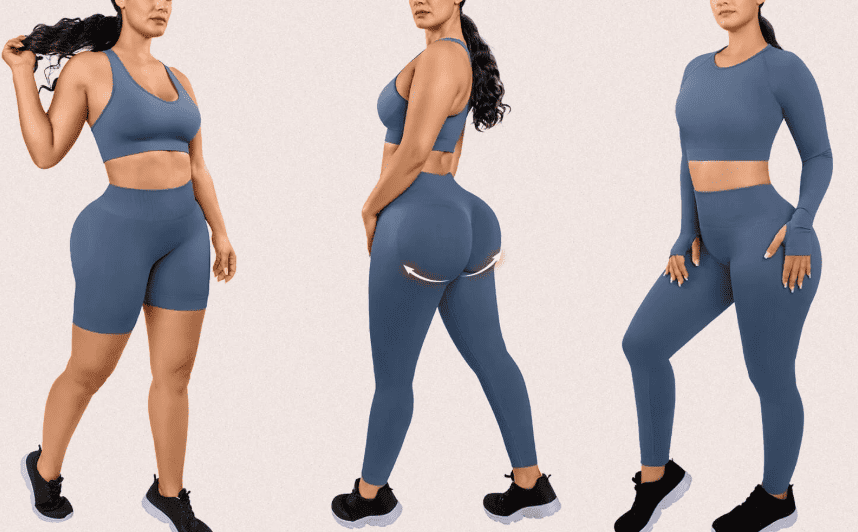
Single jersey circular knitting machines are particularly popular for producing lightweight, breathable, and stretchable fabrics. These fabrics provide the foundation for yoga leggings, tops, cycling jerseys, and compression wear.
Key characteristics include:
Fine Needle Gauge (28G–32G): Produces smooth and soft fabrics with uniform structure.
High-Speed Knitting: Ensures efficient production and consistent quality across long runs.
Compatibility with Synthetic Yarns: Ideal for elastic fibers like spandex, nylon, and polyester.
Single jersey machines can also be equipped with spandex plating or elastane feeders, which enable precise control over the elasticity of the fabric. This ensures a consistent stretch and recovery rate — essential for yoga wear that must retain its shape even after repeated use.
Advanced models of these machines can incorporate jacquard functions, allowing for intricate patterns, mesh zones, and variable fabric densities within a single garment — improving ventilation and aesthetics simultaneously.
While single jersey machines are perfect for soft, stretchable garments, double jersey circular knitting machines are used for more structured, thicker, and supportive fabrics.
These machines feature two sets of needles arranged vertically, producing fabrics that are denser, more resilient, and capable of withstanding higher tension. This makes them suitable for compression garments, thermal sportswear, and outer layers that require enhanced durability and shape retention.
Common double jersey fabric types used in sportswear include:
Interlock Fabrics: Smooth on both sides, with excellent stretch recovery and opacity.
Rib Fabrics: Highly stretchable and ideal for cuffs, waistbands, or body-hugging designs.
Pique and Spacer Fabrics: Offer breathability and moisture management, often used in athletic tops and jackets.
Modern double jersey machines also support electronic jacquard systems, enabling the integration of functional zones — such as compression support panels, ventilation areas, and design elements — within a single garment structure.
The yarn is the foundation of any fabric. Even the most advanced knitting machine cannot produce high-quality fabric without the proper selection of yarns. For sportswear and yoga wear, the choice of yarn determines key properties such as stretch, comfort, breathability, and moisture control.
Common yarn combinations include:
Nylon + Spandex: Offers excellent elasticity, high strength, and a soft, smooth texture. Perfect for leggings and compression garments.
Polyester + Spandex: Provides durability, moisture-wicking ability, and colorfastness — ideal for activewear tops and outdoor sportswear.
Modal or Bamboo + Elastane: Eco-friendly blends that enhance softness, breathability, and comfort while maintaining flexibility.
High-quality yarns also reduce pilling (formation of small fabric balls) and improve color retention. These features significantly extend the lifespan and appearance of athletic clothing, making them a preferred choice among premium sportswear brands.
The evolution of knitting technology has allowed manufacturers to create fabrics with built-in performance features — without additional treatments or layers. Some of the most innovative advancements include:
By adjusting the stitch density, machines can create areas of different tightness for targeted muscle support.
Incorporating breathable zones within the garment to enhance airflow and moisture evaporation.
Advanced programming allows for varying fabric thickness to improve comfort and reduce chafing.
Synthetic yarns with special cross-sections and knitting structures help wick sweat away from the skin.
Emerging technologies now allow conductive yarns to be knitted directly into fabrics for biometric sensing or temperature control.
Together, these innovations redefine how sportswear is made — merging comfort, performance, and intelligent design into one seamless product.
Sportswear must meet several demanding requirements — flexibility, breathability, durability, and quick-drying performance. Achieving this balance requires not only high-quality materials but also precision machinery that can knit complex structures at high speed and consistency.
Circular knitting machines are particularly suited for sportswear because they can:
Knit seamless garments that eliminate uncomfortable seams.
Produce high stretch jerseys used in running, cycling, and yoga clothing.
Integrate mesh structures and compression zones for enhanced comfort and support.
In addition to circular knitting machines, warp knitting machines and flat knitting machines are sometimes used to produce specific structures or trims. However, for the majority of bodywear and base layers, circular knitting remains the preferred choice due to its ability to create flexible and smooth fabrics in tubular form.
As the global textile industry increasingly shifts toward sustainability, circular knitting technology plays a key role in promoting eco-friendly manufacturing. By reducing waste and improving material efficiency, circular knitting aligns with the growing demand for responsible production.
Key sustainability advantages include:
Zero Waste Production: Seamless knitting minimizes fabric scraps.
Energy Efficiency: Modern machines are designed to consume less power per production cycle.
Recycled Yarns: Machines can handle recycled nylon and polyester, helping reduce plastic waste.
Longevity of Garments: High-quality, durable fabrics reduce the need for frequent replacements.
Additionally, integration with Industry 4.0 technologies such as IoT (Internet of Things) and AI-based monitoring systems allows manufacturers to optimize production, reduce downtime, and maintain consistent quality with minimal resource use.
Circular knitting machines are used across a wide range of sportswear and activewear applications, including:
Yoga Wear: Leggings, tops, and bras with high stretch and comfort.
Compression Wear: Medical-grade or athletic compression garments that support circulation.
Running Apparel: Lightweight, moisture-wicking fabrics for optimal performance.
Cycling Kits: Seamless jerseys and shorts with targeted compression zones.
Underwear and Base Layers: Soft, breathable, and form-fitting fabrics.
These machines also support customized production — allowing brands to experiment with color, texture, and pattern without compromising functionality.
The rise of circular knitting machines has revolutionized the sportswear and activewear industry. Their ability to create seamless, stretchable, and high-performance fabrics has made them indispensable in the manufacturing of modern athletic garments.
From single jersey to double jersey, from spandex plating to seamless knitting, each advancement reflects the industry’s pursuit of perfection — garments that move with the body, regulate temperature, and enhance performance while maintaining comfort and style.
As sustainability, smart textiles, and digital manufacturing continue to evolve, circular knitting technology will remain at the forefront of innovation. It bridges the gap between engineering precision and fashion creativity — knitting the future of performance wear, one loop at a time.

We have been committed to manufacturing all types of circular knitting machines with great quality and reasonable price for a long time. Our professional team is highly specialized and problem-solving oriented. We put the most effort into meeting your knitting demands, achieving a win-win situation.