High Frame Circular Knitting Machines: Revolutionizing Modern Textile Manufacturing
Dec 11, 2025
High Frame Circular Knitting Machines have become a cornerstone of modern textile production, particularly in the manufacture of knitted fabrics. Known for their ability to create seamless tubular fabrics, these machines are widely used in the production of garments, upholstery, technical textiles, and industrial fabrics. Their innovation lies not only in speed and precision but also in the versatility and adaptability they bring to textile manufacturing processes.
At the heart of High Frame Circular Knitting Machines is their unique high frame design, which allows for simultaneous knitting of multiple yarns with enhanced needle density and stitch control. This capability ensures fabrics with superior dimensional stability, elasticity, and surface finish. Such adaptability makes these machines suitable for producing a wide range of fabrics, from delicate, lightweight jerseys to heavy-duty, industrial-grade textiles.
In addition to fabric quality, these machines provide significant improvements in production efficiency. Equipped with advanced electronic controls and integrated computer-aided design (CAD) systems, operators can adjust crucial parameters such as stitch length, tension, and pattern design with ease. This precision enables manufacturers to optimize production, reduce waste, and increase yield—ultimately lowering costs while ensuring high-quality output.
Moreover, High Frame Circular Knitting Machines offer extensive design versatility. They support a broad spectrum of fabric types, including single jersey, rib, interlock, and complex jacquard patterns. This versatility aligns with the dynamic demands of the fashion and textile industries, where unique designs and rapid response to market trends are critical for competitive advantage.
Sustainability is another key focus in modern textile manufacturing. Many High Frame Circular Knitting Machines are compatible with eco-friendly and recycled yarns, facilitating environmentally conscious production practices. This enables manufacturers to meet rising consumer demand for sustainable products while minimizing the environmental impact of their operations.
Proper maintenance and operator training are also crucial in maximizing the performance of High Frame Circular Knitting Machines. Regular servicing extends the lifespan of the equipment and maintains consistent fabric quality. Meanwhile, training programs focused on the latest technological advancements allow operators to leverage the full potential of these machines, ensuring efficiency, precision, and innovation in every production run.
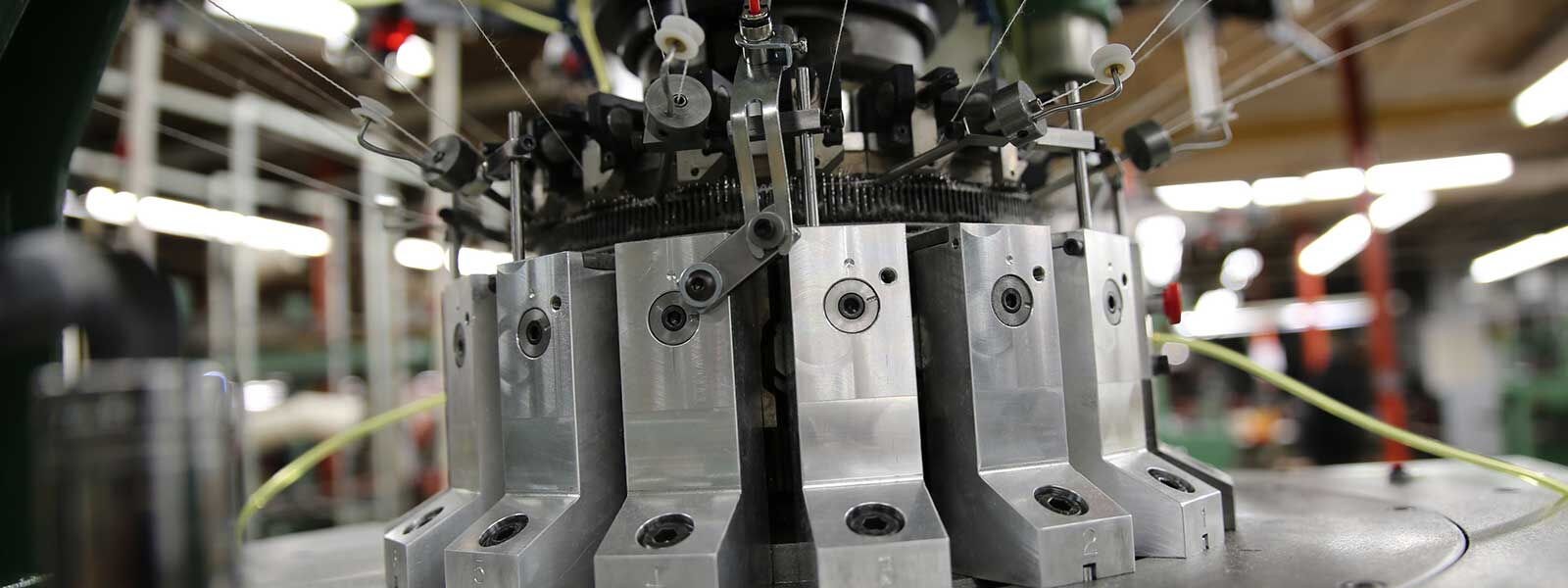
High Frame Circular Knitting Machines offer numerous benefits that make them an indispensable asset in modern textile production. Their combination of versatility, stability, efficiency, and sustainability sets them apart from traditional knitting machines.
One of the primary advantages of High Frame Circular Knitting Machines is their ability to handle diverse yarn types and complex fabric structures. Manufacturers can produce a variety of fabrics, including:
Single jersey: Lightweight, flexible fabrics commonly used in T-shirts and undergarments.
Rib fabrics: Textured fabrics that provide stretch and recovery, ideal for cuffs, collars, and sportswear.
Interlock fabrics: Dense, double-layered fabrics with excellent stability, suitable for apparel and performance wear.
Jacquard patterns: Intricate designs woven directly into the fabric for fashion or decorative purposes.
This adaptability allows textile producers to respond quickly to changing market demands and customer requirements. For example, a manufacturer can switch from producing lightweight summer jerseys to heavyweight winter fabrics with minimal adjustments, providing a competitive edge in the fast-paced fashion industry.
The high frame design is a defining feature of these circular knitting machines. It contributes to:
Greater machine stability
Reduced operational vibrations
Improved precision in fabric production
This enhanced stability ensures consistent stitch formation, uniform fabric tension, and accurate dimensional properties. For manufacturers producing high-quality textiles, this level of precision is crucial to meet stringent industry standards and maintain customer satisfaction.
Moreover, the stability and robust construction of high frame machines allow them to handle higher needle densities and larger production volumes without compromising quality. This combination of strength and precision makes these machines suitable for both small-scale bespoke production and large-scale industrial operations.
Efficiency is another critical benefit of High Frame Circular Knitting Machines. With high-speed operation and advanced automation, these machines can produce large quantities of fabric in less time compared to traditional knitting systems.
Key efficiency advantages include:
Faster production cycles: High frame machines can knit multiple yarns simultaneously, reducing total production time.
Reduced waste: Precision controls help minimize errors and fabric defects, leading to less material loss.
Optimized yield: Integrated CAD and electronic control systems allow operators to fine-tune parameters for maximum output without compromising quality.
For textile manufacturers, this increased efficiency translates into lower production costs, higher throughput, and better profit margins—an essential factor in today’s competitive textile market.
Modern High Frame Circular Knitting Machines come equipped with computerized patterning systems, allowing manufacturers to create intricate fabric designs with minimal manual intervention. These systems enable:
Automated jacquard pattern knitting
Custom stitch manipulation
Multi-yarn color combinations
Complex textures and decorative elements
This capability allows textile producers to expand their product offerings, cater to premium fashion segments, and produce innovative fabrics that appeal to designers and end consumers alike.
By leveraging these advanced design tools, manufacturers can create customized fabrics for clients, ensuring that they stay ahead in a highly competitive market.
Sustainability is an increasingly important consideration in textile production. High Frame Circular Knitting Machines are designed to work with a variety of eco-friendly yarns, including:
Recycled fibers
Organic cotton
Tencel and bamboo blends
Other biodegradable or low-impact yarns
This compatibility supports environmentally responsible manufacturing practices, helping companies reduce their carbon footprint while meeting growing consumer demand for sustainable textiles.
Additionally, some high frame machines feature optimized tension and feed systems that minimize yarn breakage and waste, further enhancing environmental efficiency.
High Frame Circular Knitting Machines require skilled operators to achieve optimal performance. Proper training ensures that operators can:
Adjust stitch length and tension accurately
Change yarns efficiently
Program complex fabric patterns
Troubleshoot minor mechanical or software issues
Regular maintenance is equally important to maintain machine longevity and consistent fabric quality. Key maintenance practices include:
Lubricating moving parts
Inspecting needles and sinkers for wear
Ensuring electronic components are calibrated
Cleaning yarn feeders and tensioners
Manufacturers that provide ongoing training and support help operators maximize productivity and maintain high standards of fabric quality.
High Frame Circular Knitting Machines are highly scalable, making them suitable for businesses of various sizes. They can be deployed in:
Small workshops producing niche fabrics
Medium-sized factories targeting regional markets
Large-scale industrial operations producing mass-market textiles
Their adaptability allows businesses to expand production without investing in entirely new machinery, offering both cost-effectiveness and operational flexibility.
Investing in High Frame Circular Knitting Machines offers several economic advantages:
Reduced labor costs: Automation reduces manual intervention, allowing fewer operators to oversee larger production volumes.
Higher fabric quality: Consistent and precise knitting reduces rejects and returns, saving on material costs.
Faster market response: Quick changeovers and flexible design capabilities enable manufacturers to respond to fashion trends and seasonal demands promptly.
Long-term durability: High-quality machines with proper maintenance provide years of reliable service, delivering value over time.
Overall, these factors contribute to improved profitability and a stronger competitive position in the textile market.
High Frame Circular Knitting Machines serve a wide range of applications across multiple industries:
Apparel Industry: Producing T-shirts, activewear, undergarments, and fashion fabrics.
Home Textiles: Creating fabrics for upholstery, curtains, and bed linens.
Industrial Textiles: Manufacturing technical fabrics for automotive, medical, and industrial use.
Sustainable Fashion: Enabling eco-conscious textile production using recycled and organic fibers.
Their versatility allows manufacturers to diversify their product offerings, catering to both consumer and industrial markets.
The industry is seeing several technological advancements:
Integration with CAD/CAM systems for automated design and production.
Smart sensors and IoT connectivity for real-time monitoring and predictive maintenance.
Energy-efficient drives and motors to reduce power consumption.
Hybrid knitting machines capable of combining circular and flat knitting processes.
Enhanced safety features to protect operators and prevent machine downtime.
These trends highlight the ongoing evolution of High Frame Circular Knitting Machines as they adapt to modern manufacturing needs.
High Frame Circular Knitting Machines represent a pivotal advancement in textile manufacturing, combining efficiency, versatility, precision, and sustainability. Their ability to handle multiple yarn types, produce complex designs, and operate at high speeds makes them essential tools for modern textile producers.
By adopting these machines, manufacturers can achieve:
Superior fabric quality with consistent dimensional stability
Increased production efficiency and reduced waste
Flexibility in design and customization
Eco-friendly and sustainable manufacturing practices
Proper maintenance and operator training are critical to unlocking the full potential of these machines, ensuring reliable long-term operation. As technology continues to advance, High Frame Circular Knitting Machines will remain at the forefront of textile innovation, helping manufacturers meet the ever-changing demands of the global market.
Whether in fashion, industrial, or home textiles, these machines provide scalability, economic efficiency, and competitive advantage, making them a smart investment for forward-thinking textile businesses.
Next: Understanding the Key Features of Single Jersey Knitting Machines

We have been committed to manufacturing all types of circular knitting machines with great quality and reasonable price for a long time. Our professional team is highly specialized and problem-solving oriented. We put the most effort into meeting your knitting demands, achieving a win-win situation.