Choosing The Best Circular Knitting Machine For Jersey, Rib, And Interlock Fabrics
May 22, 2026
The textile manufacturing industry continues to evolve rapidly as demand grows for high-quality knitted fabrics used in fashion, sportswear, medical textiles, automotive interiors, and industrial applications. Among the most important technologies driving this industry is the Circular Knitting Machine. Known for its efficiency, speed, and versatility, the circular knitting machine has become a core production system for fabric manufacturers worldwide.
Choosing the right circular knitting machine is a critical investment decision for textile manufacturers. The correct machine can improve production efficiency, reduce downtime, enhance fabric quality, and support long-term business growth. However, selecting the ideal machine requires a deep understanding of machine structures, fabric types, gauge requirements, production goals, automation features, and maintenance considerations.
Modern circular knitting machines are available in numerous configurations, ranging from single jersey machines for lightweight apparel to highly sophisticated jacquard systems capable of producing complex patterns and technical textiles. Manufacturers must evaluate their product requirements carefully before making an investment.
This article explores the essential factors involved in selecting the right circular knitting machine, including machine components, fabric applications, gauge selection, automation technologies, productivity considerations, maintenance requirements, and future industry trends.
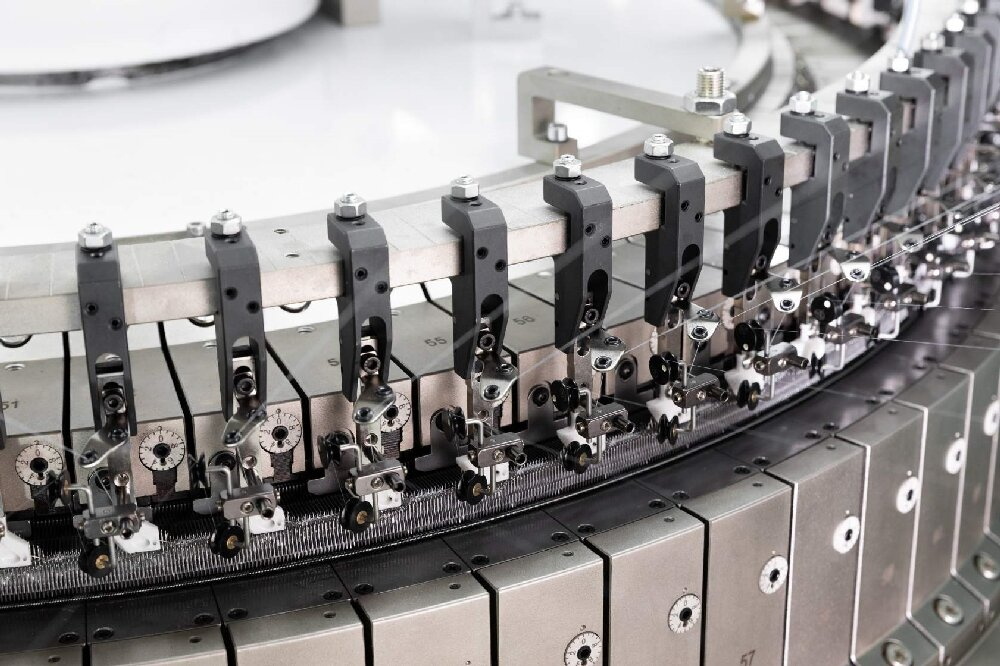
A circular knitting machine is a textile production machine designed to create tubular knitted fabrics through continuous circular motion. Unlike flat knitting machines, circular knitting machines use a cylinder equipped with needles arranged in a circular formation. The machine continuously feeds yarn into the needles to form loops, creating seamless fabric tubes with high production speed.
Circular knitting machines are widely used because they offer:
- High-speed fabric production
- Excellent fabric consistency
- Reduced labor requirements
- Flexible fabric design capabilities
- Efficient large-scale manufacturing
- Smooth and seamless knitting structures
These machines are commonly used to produce:
- T-shirts
- Sportswear
- Underwear
- Hoodies
- Sweaters
- Socks
- Medical textiles
- Upholstery fabrics
- Automotive textiles
- Industrial fabrics
Understanding machine components is the first step in selecting the right equipment.
The needles are the heart of every circular knitting machine. They move continuously up and down within the machine cylinder to form yarn loops that create knitted fabric structures.
The cylinder holds the needles in a circular arrangement, enabling the machine to produce seamless tubular fabrics. The precision of the needle movement directly affects fabric quality, stitch consistency, and production speed.
High-quality needles offer:
- Smooth yarn handling
- Reduced yarn breakage
- Longer service life
- Consistent loop formation
- Improved fabric appearance
The needle bed provides a stable mounting platform that ensures precise needle alignment during operation. Regular inspection and replacement of damaged needles are essential for maintaining high-quality production.
Modern high-speed circular knitting machines often use specially coated needles to reduce friction and wear during continuous operation.
Yarn feeders guide yarn smoothly from the creel system into the needles. Proper yarn feeding is critical for maintaining stable tension and preventing knitting defects.
Advanced yarn feeding systems include:
- Automatic tension control
- Electronic yarn monitoring
- Breakage detection systems
- Anti-tangling mechanisms
- Positive yarn feeders
Sensors continuously monitor yarn movement and tension during production. If abnormal tension or yarn breakage occurs, the system immediately alerts operators or stops the machine automatically.
Efficient yarn feeding systems provide several advantages:
- Reduced yarn waste
- Improved fabric consistency
- Higher production efficiency
- Lower defect rates
- Reduced machine downtime
Modern intelligent feeder systems also allow manufacturers to process delicate yarns, elastic fibers, and blended materials more efficiently.
Cams are mechanical components that control needle movement inside the machine. By adjusting the cam profile, manufacturers can alter stitch length, knitting structure, and fabric patterns.
Sinkers work together with needles by holding yarn loops in place while new stitches are formed. They also help pull the knitted fabric downward during production.
Proper maintenance of cams and sinkers is extremely important because excessive wear can cause:
- Uneven stitches
- Fabric defects
- Needle damage
- Increased machine vibration
- Reduced production stability
Lubrication systems are often integrated into modern machines to minimize friction and extend component lifespan.
The loop cutting mechanism trims yarn loops neatly to ensure smooth fabric finishing. Automated loop cutting systems improve fabric quality and reduce manual intervention.
Modern machines often include intelligent monitoring systems that can:
- Detect cutting errors
- Monitor blade wear
- Prevent fabric damage
- Improve production accuracy
Regular cleaning and maintenance of loop cutting systems are necessary to avoid yarn accumulation and maintain smooth operation.
The type of fabric you plan to manufacture plays a major role in determining the most suitable circular knitting machine.
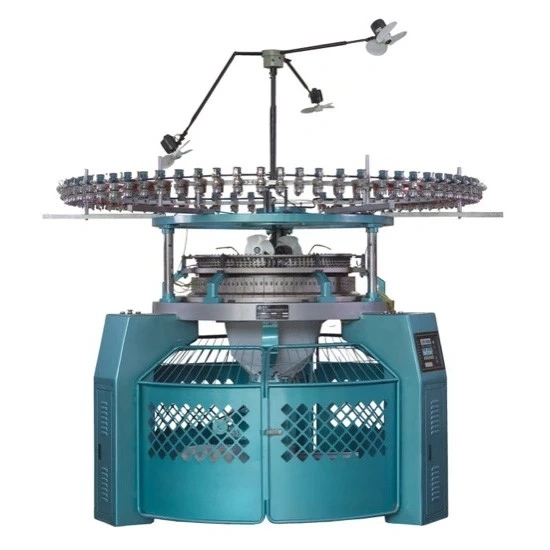
Single jersey circular knitting machines are among the most commonly used circular knitting machines in the textile industry. These machines produce lightweight and breathable fabrics suitable for casual apparel.
Applications include:
- T-shirts
- Polo shirts
- Dresses
- Undergarments
- Children's clothing
Advantages of single jersey machines include:
- High production speed
- Lower production costs
- Simple machine structure
- Easy maintenance
- Excellent versatility
Manufacturers focused on mass-market apparel often choose single jersey machines because of their efficiency and strong commercial demand.
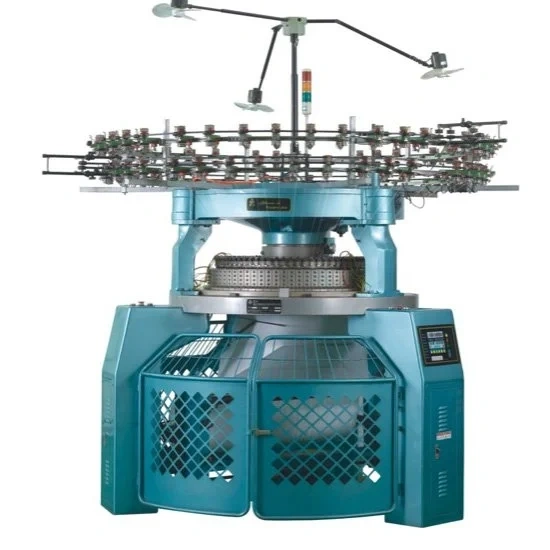
Rib knitting machines produce fabrics with alternating knit and purl stitches, resulting in excellent elasticity and recovery.
Rib fabrics are commonly used for:
- Cuffs
- Neckbands
- Waistbands
- Stretch garments
- Sweaters
Benefits of rib knitting include:
- Superior stretchability
- Excellent shape retention
- Enhanced comfort
- Greater fabric thickness
- Improved durability
Rib machines are ideal for manufacturers targeting fashion garments and functional wear requiring flexibility and elasticity.
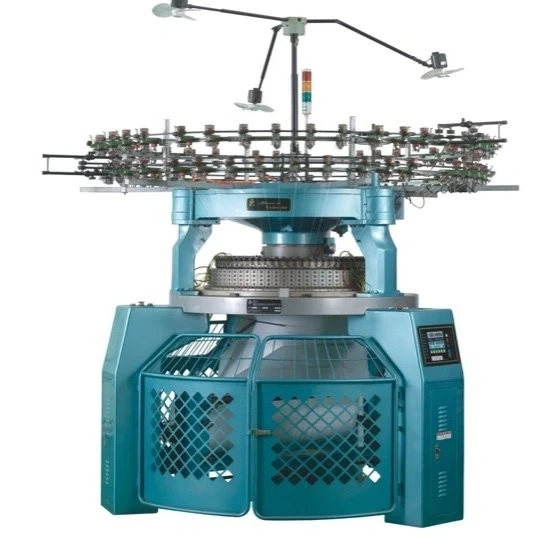
Interlock machines create double-knit fabrics that are thicker, smoother, and more stable than single jersey fabrics.
Interlock fabrics offer:
- Soft surfaces on both sides
- Reduced edge curling
- Improved thermal insulation
- Better dimensional stability
These fabrics are commonly used in:
- Sportswear
- Activewear
- Loungewear
- Baby clothing
- Premium fashion garments
Interlock machines are preferred when manufacturers require high-quality fabrics with luxurious textures and enhanced durability.
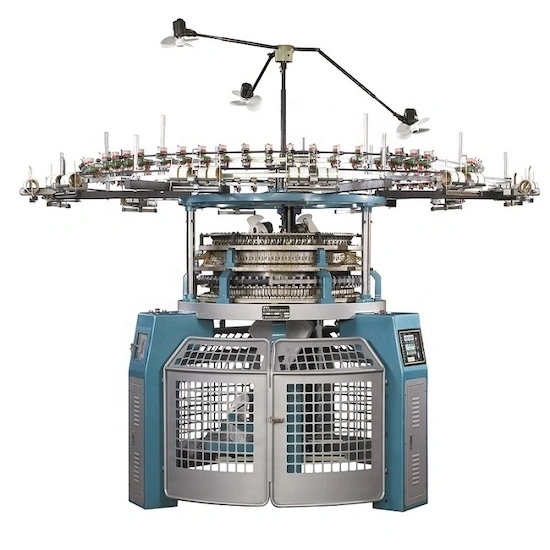
Jacquard machines are highly advanced knitting systems capable of producing intricate patterns and multicolor designs.
Applications include:
- Decorative textiles
- Upholstery fabrics
- Fashion garments
- Home textiles
- Premium apparel
Advantages of jacquard technology include:
- Complex pattern creation
- Enhanced design flexibility
- Computerized pattern control
- Multi-color knitting capability
- High-end fabric production
Modern electronic jacquard systems enable manufacturers to quickly switch designs through digital programming, improving production flexibility.
Gauge refers to the number of needles per inch on the machine cylinder. Selecting the proper gauge is critical because it determines fabric thickness, density, and texture.
High gauge machines produce fine and lightweight fabrics with smooth surfaces.
Suitable products include:
- Underwear
- Performance wear
- Base layers
- Lightweight fashion garments
Advantages include:
- Fine fabric appearance
- Enhanced softness
- Improved drape
- Better comfort
High gauge knitting is ideal for premium apparel and sportswear applications.
Medium gauge machines produce versatile fabrics suitable for everyday garments.
Applications include:
- Hoodies
- Sweatshirts
- Casual wear
- Fashion knitwear
These machines balance:
- Fabric softness
- Durability
- Warmth
- Production efficiency
Medium gauge machines are highly popular because they support diverse product lines.
Low gauge machines create thick and heavy knitted fabrics.
Common applications include:
- Winter garments
- Thermal wear
- Blankets
- Industrial textiles
Advantages include:
- Superior insulation
- Strong fabric structure
- Heavy-duty performance
Low gauge fabrics are often selected for cold-weather clothing and technical textile applications.
Machine diameter affects fabric width and production volume. Larger diameters generally produce wider fabrics and higher output.
Common diameter ranges include:
- Small diameter machines for socks and narrow fabrics
- Medium diameter machines for garments
- Large diameter machines for industrial and home textile applications
Manufacturers should evaluate:
- Production targets
- Fabric width requirements
- Factory space availability
- Yarn consumption rates
Choosing the proper machine size improves efficiency and minimizes waste.
Modern circular knitting machines increasingly incorporate automation technologies that improve efficiency and reduce operational costs.
Computerized systems allow operators to control:
- Stitch length
- Yarn tension
- Fabric density
- Pattern design
- Machine speed
Electronic controls improve accuracy while reducing human error.
Advanced monitoring systems can detect:
- Needle breakage
- Yarn tension irregularities
- Fabric defects
- Lubrication issues
- Machine overheating
Real-time monitoring improves machine reliability and reduces downtime.
Many modern knitting machines now support Industry 4.0 technologies, including:
- Remote monitoring
- Data analytics
- Predictive maintenance
- Cloud connectivity
- Production tracking
Smart factories benefit from improved production visibility and better operational efficiency.
Different machines are designed to process different yarn types. Manufacturers should evaluate yarn compatibility carefully before purchasing equipment.
Common yarn materials include:
- Cotton
- Polyester
- Nylon
- Spandex
- Wool
- Blended yarns
- Technical fibers
Some specialized machines are optimized for elastic yarns, recycled fibers, or high-performance synthetic materials.
Choosing a machine compatible with intended yarn types helps avoid:
- Yarn breakage
- Excessive wear
- Fabric defects
- Production instability
Sustainability has become increasingly important in textile manufacturing. Modern circular knitting machines are designed with energy-saving technologies to reduce environmental impact.
Energy-efficient features include:
- Servo motor systems
- Variable speed drives
- Intelligent lubrication
- Reduced vibration technology
- Optimized cooling systems
Benefits of energy-efficient machines include:
- Lower electricity consumption
- Reduced operating costs
- Improved environmental compliance
- Longer machine lifespan
Manufacturers focused on sustainable production should prioritize machines with advanced energy-saving capabilities.
Regular maintenance is essential for ensuring long-term machine performance.
Preventive Maintenance
Preventive maintenance includes:
- Cleaning needles and sinkers
- Lubricating moving parts
- Checking yarn tension systems
- Inspecting sensors
- Replacing worn components
Routine maintenance helps prevent unexpected breakdowns and costly downtime.
Spare Parts Availability
Manufacturers should consider spare parts availability before purchasing a machine.
Reliable suppliers provide:
- Fast spare parts delivery
- Technical support
- Operator training
- Maintenance guidance
Easy access to spare parts improves production continuity and machine lifespan.
Choosing a reputable machine manufacturer is just as important as selecting the machine itself.
Important factors include:
- Manufacturing experience
- Technical expertise
- Quality certifications
- After-sales service
- Customer support
- Global reputation
Reliable manufacturers provide comprehensive technical assistance and long-term support for customers.
Price should never be the only factor when selecting a circular knitting machine. Manufacturers must evaluate overall return on investment (ROI).
Factors affecting ROI include:
- Production speed
- Fabric quality
- Maintenance costs
- Energy consumption
- Labor efficiency
- Machine lifespan
Although advanced machines may require higher initial investment, they often provide greater long-term profitability through improved efficiency and reduced downtime.
Despite technological advancements, manufacturers still face several operational challenges.
Yarn Breakage
Improper yarn tension, poor-quality yarn, or worn components can lead to yarn breakage and production interruptions.
Fabric Defects
Common fabric defects include:
- Vertical lines
- Uneven stitches
- Holes
- Oil stains
- Color inconsistencies
Regular machine calibration and maintenance help minimize these issues.
Needle Wear
High-speed operation causes needle wear over time. Damaged needles can negatively affect fabric quality and production stability.
Frequent inspection and replacement are necessary for consistent results.
The circular knitting industry continues to advance with new innovations focused on automation, sustainability, and intelligent manufacturing.
Emerging trends include:
- AI-powered quality inspection
- Fully automated knitting systems
- Digital pattern programming
- Sustainable textile production
- Smart yarn monitoring
- Advanced sensor integration
Manufacturers adopting these technologies can improve competitiveness and production efficiency.
Choosing the right circular knitting machine is a strategic decision that directly impacts production quality, efficiency, and long-term profitability. Manufacturers must carefully evaluate machine components, fabric requirements, gauge selection, automation features, yarn compatibility, and maintenance needs before making an investment.
Single jersey, rib, interlock, and jacquard machines each serve different textile applications, while gauge selection determines fabric thickness and texture. Modern smart technologies further improve production accuracy, energy efficiency, and operational control.
As textile markets continue to evolve, investing in advanced circular knitting technology enables manufacturers to meet changing customer demands, improve sustainability, and remain competitive in the global textile industry.
By selecting the proper circular knitting machine and maintaining it effectively, textile manufacturers can achieve higher productivity, superior fabric quality, and long-term operational success.
Next: Working Principle of Circular Knitting Machine Explained
Previous: Guide to Choosing Auto Stripper Circular Knitting Machines

We have been committed to manufacturing all types of circular knitting machines with great quality and reasonable price for a long time. Our professional team is highly specialized and problem-solving oriented. We put the most effort into meeting your knitting demands, achieving a win-win situation.