How Many Categories Are There for Single Knitting Machines
Jul 11, 2025
When people think of circular knitting machines, they often picture the single knitting machine — a staple in knitting mills around the world. But within the single knitting machine series, there is a surprisingly diverse range of types, each designed to produce specific fabrics, patterns, and textures for different end uses. From the ordinary single circular knitting machine to the highly specialized computer-controlled jacquard models, single knitting machines have evolved to meet the ever-changing demands of the textile industry.
In this comprehensive guide, we’ll break down the main categories of single knitting machines, explore how they work, and highlight what makes each type unique.
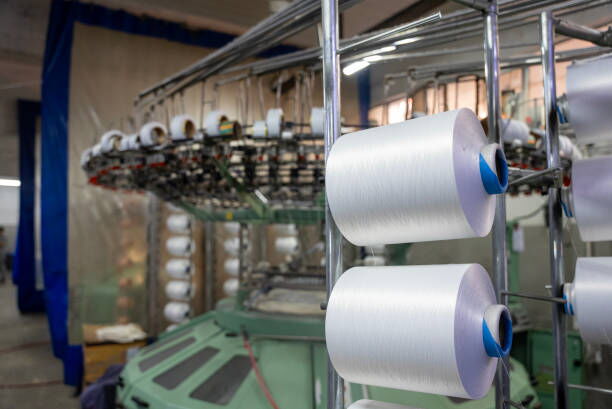
A single circular knitting machine is distinguished by its single needle cylinder that rotates to form continuous loops of yarn. Unlike double knitting machines, which have two opposing needle beds, single knitting machines create fabric on just one needle bed. This design makes them especially versatile for producing lightweight, stretchable, and smooth fabrics that are used in everything from T-shirts and sportswear to sweaters, towels, and fashion textiles.
Single knitting machines can be grouped into several major categories, each with unique structural features and knitting capabilities. Let’s take a closer look.
The most common type is the ordinary single circular knitting machine, often referred to in the industry as a “multi-triangle” machine. The term “multi-triangle” comes from the multiple cam tracks (or “triangles”) that guide the needles during the knitting process, controlling when and how the loops are formed.
Multiple Feeds: These machines come with a range of feeds depending on cylinder diameter. For example, a 30-inch single circular knitting machine may have 90 to 120 feeds, while a 34-inch version may have 102 to 126 feeds. This high feed count enables higher speed and output.
Needle Channels: Ordinary single circular knitting machines can have one, two, three, four, or even six needle channels within a season. The most commonly used configuration today is the four-needle channel setup, which balances speed, fabric quality, and versatility.
Flexible Fabric Options: By arranging and combining knitting needles and cam tracks in different ways, these machines can produce a wide variety of plain single jersey fabrics and new variations that respond to changing fashion trends.
High production efficiency
Good fabric uniformity
Reliable performance with simple maintenance
Common Applications
Ordinary single circular knitting machines are widely used to manufacture plain single jersey fabrics, sportswear, T-shirts, underwear, and other daily wear products that require smooth, elastic, and breathable fabric.
Next up is the single terry machine, often called the single towel machine in knitting factories. This type is specially designed to produce terry fabrics, which are characterized by loops that stand up from the base fabric, creating a soft and absorbent surface — ideal for towels and bathrobes.
Sinker and Yarn Arrangement: Single terry machines rely on the strategic arrangement of sinkers and yarns. Sinkers hold the fabric while loops are formed and can create the signature loop pile effect that terry fabrics are known for.
Needle Channels: These machines are available in single, double, and four-needle channel configurations, offering manufacturers flexibility in production output and fabric type.
Ability to produce high-quality terry cloth with consistent loop height
Versatile enough to create various terry textures and weights
Reliable production for large-volume orders
Single terry machines are primarily used to knit towels, bathrobes, baby clothing, and any textile product that benefits from the soft, plush feel of terry cloth.
Also known in the industry as three-thread weft insertion machines, sweater machines, or flannel machines, these versatile machines are engineered to produce thicker, warmer fabrics such as fleece and brushed flannel.
Weft Insertion: The three-thread mechanism uses a unique arrangement of ground yarn, fleece yarn, and plating yarn. This multi-yarn setup allows for the creation of a plush inner pile that provides warmth and comfort.
Needle Track Variants: Like other machines, the three-thread fleece machine is available in single, double, and four-needle track models, allowing producers to select the best option for their desired fabric weight and texture.
Velvet and Non-Velvet Options: These machines can produce both brushed (velvet-like) and unbrushed fabrics, expanding the range of fleece and flannel products that can be made.
Capable of producing thick, warm fabrics with a soft hand feel
Flexible production for a range of casual wear and winter apparel
High production efficiency for mass-market items
Three-thread fleece machines are used to manufacture sweatshirts, hoodies, jackets, winter sportswear, fleece blankets, and other products where warmth and comfort are key selling points.
When it comes to creating intricate patterns, logos, and multi-color designs, the jacquard single knitting circular machine is the star of the show. This category includes both mechanical and computerized jacquard machines, each with their own advantages and levels of sophistication.
Small Single Jacquard Knitting Circular Machines
Often referred to as mechanical jacquard machines, these are well-known for their simplicity and ease of use.
Mechanical Selection: Patterns are created through mechanical means such as jacquard wheels, flower discs, paddles (swing plates), drums, or insert mechanisms. These components control the movement of the needles to form specific patterns.
Simple Pattern Changes: Mechanical jacquard machines make it relatively easy to switch between different designs, allowing for frequent style updates.
Variety of Fabric Types: Small single jacquard machines can produce a range of fabrics, including ordinary single jersey, single terry, sweaters, and transfer loop patterns.
Cost-effective for small to medium production runs
Flexible and convenient for producing limited-edition designs
Simple maintenance and operation
Lower speed compared to computerized jacquard machines
Limited pattern complexity
Relatively low output for mass production
Large single jacquard knitting circular machines are commonly known as computer jacquard circular machines. They are sometimes affectionately called “fool machines” because their user-friendly, computer-controlled operation automates pattern selection, making them simple to run once programmed.
Computerized Needle Selection: These machines use advanced computer software to control which needles knit, tuck, or float, enabling the production of highly intricate patterns.
Multiple Positioning: They typically feature two or three positions. In the two-position configuration, the machine can handle looping and floating or looping and tucking; in the three-position setup, it can knit, tuck, and float simultaneously, offering immense design flexibility.
Multi-Color Yarn Control: These machines allow for seamless color changes — two, four, six, or even eight yarn colors can be used to create vibrant, multi-color fabrics with large, complex patterns.
High production speed for complex designs
Consistent, high-quality output
Ideal for large-scale production runs of fashion-forward jacquard fabrics
Large computer jacquard knitting circular machines are used extensively in the fashion industry to create statement pieces with large patterns, logo designs, custom graphics, and colorful motifs for items like sweaters, sports jerseys, branded T-shirts, and premium activewear.
The broad range of single knitting machines reflects the incredible versatility of today’s knitting industry. By selecting the right machine for the job, manufacturers can fine-tune their production to meet the demands of ever-changing consumer tastes, whether that means ultra-soft terry cloth, warm winter fleece, or intricately patterned jacquard designs.
As global fashion trends continue to evolve, so too will the technology behind these machines. Advancements in computer programming, machine automation, and material innovation mean that single knitting machines will keep pushing the boundaries of what’s possible in textile production.
Single circular knitting machines may appear straightforward at first glance, but their wide range of categories proves just how innovative and adaptable they really are. From everyday jersey basics to luxurious jacquard knits, each machine type serves a unique role in modern knitting mills.
So the next time you put on a comfy fleece hoodie, wrap yourself in a soft terry towel, or admire the intricate patterns on a designer sweater, remember — it all began with the specialized craftsmanship of a single knitting machine.
Next: Single Open Width Four Tracks Circular Knitting Machine for South Africa
Previous: What is an Open Width Knitting Machine?

We have been committed to manufacturing all types of circular knitting machines with great quality and reasonable price for a long time. Our professional team is highly specialized and problem-solving oriented. We put the most effort into meeting your knitting demands, achieving a win-win situation.