How High Speed Double Jersey Knitting Machines Increase Productivity and Quality
The textile manufacturing industry is in the midst of a technological revolution, and at the heart of this transformation are High Speed Double Jersey Knitting Machines. These advanced machines are reshaping how knitted fabrics are produced — increasing efficiency, improving quality, reducing costs, and enabling manufacturers to meet ever-growing global demand. As fashion brands and textile producers seek to balance speed, sustainability, and variety, high speed double jersey knitting technology is emerging as a central pillar of modern production.
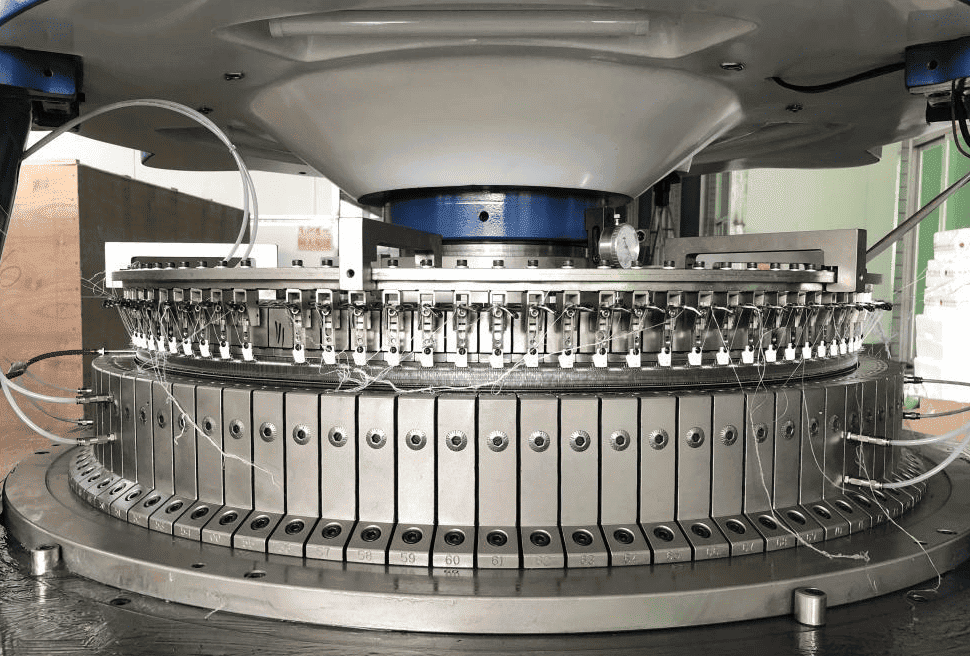
Double jersey knitting machines are specialized circular knitting machines designed to produce double jersey fabrics, also known as interlock fabrics. Unlike single jersey fabric, which is knitted on only one needle bed, double jersey fabric is created using two opposing needle systems that interlock yarn loops from both directions. This results in a fabric that is:
- More stable and durable
- Less prone to curling at the edges
- Thicker with enhanced insulation
- Ideal for structured garments
Double jersey fabrics are widely used for garments like polo shirts, dresses, sportswear, uniforms, and premium casual wear. They are valued for their comfort, resilience, and ability to hold prints and colors.
Traditional double jersey machines, while versatile, had limitations in production speed and automation. High speed double jersey knitting machines address these challenges by incorporating advanced mechanical design, computerized controls, and precision engineering that allow knitting at significantly higher RPMs (revolutions per minute) without sacrificing quality.
The leap from conventional to high speed machines is more than incremental — it is transformational. Modern high speed models can operate at speeds that double or triple those of earlier generation equipment, dramatically increasing output per shift while maintaining the fine gauge and stability that double jersey fabrics require.
At the core of high speed knitting technology are sophisticated electronic control systems. These systems manage yarn tension, stitch formation, cylinder rotation, and pattern programming with extreme precision. Computer controls also enable:
- Rapid pattern changes
- Data storage for repeat orders
- Real-time monitoring of machine status
- Predictive maintenance alarms
This digital transformation reduces downtime and human error, leading to smoother production runs and improved fabric consistency.
Servo motors have replaced many traditional drive components, offering enhanced responsiveness and energy efficiency. These motors:
- Provide consistent power delivery
- Adjust speed based on yarn characteristics
- Reduce mechanical wear
- Improve overall machine longevity
The result is a more reliable machine that can run continuously at high speeds without overheating or mechanical degradation.
Newer high speed knitting machines come equipped with state-of-the-art yarn feeders and tensioning systems that ensure even feeding, reduce friction, and minimize yarn breakage. These systems are especially critical when working with high-elasticity or delicate fibers like spandex blends, merino wool, or fine cottons.
High production speeds require equally capable fabric take-down systems that pull the knitted material off the needles without stretching or distortion. Modern machines utilize:
- Precision rollers
- Variable speed controls
- Automatic tension adjustment
This ensures that the fabric retains its intended width, density, and hand feel.
Integrated sensors detect yarn breaks, stitch errors, and other abnormalities in real time. Machines can automatically stop, alert operators, and correct issues without extensive manual intervention. This smart automation reduces waste and enhances overall efficiency.
Global demand for knit textiles continues to expand, driven by trends in athleisure, sustainable fashion, and performance wear. Consumers increasingly expect:
- Comfort
- Stretch
- Durability
- Eco-friendly materials
Double jersey fabrics align perfectly with these expectations, fueling demand among manufacturers for high-performance knitting equipment.
Textile producers are under intense pressure to deliver high volumes at competitive prices. Labor costs, raw material volatility, and compliance with environmental standards have made efficiency a strategic priority. High speed double jersey knitting machines offer:
- More output per labor hour
- Lower cost per meter of fabric
- Less waste due to automated quality control
- Better utilization of floor space
Sustainability has become a core industry value — and knitting technology plays a role. Because high speed double jersey machines are highly accurate and automated, they:
- Reduce yarn waste from errors
- Optimize energy usage compared to older machines
- Enable production of eco-friendly blends with minimal defect rates
In a world increasingly concerned about fashion's environmental footprint, these efficiencies offer a measurable sustainability benefit.
The adaptability of high speed double jersey fabrics makes them valuable in multiple sectors:
High quality polo shirts, dresses, skirts, and premium casual wear benefit from the stability and appearance of double jersey knit. Designers appreciate the fabric's ability to:
- Showcase bold prints
- Retain shape
- Provide opacity and structure
Double jersey fabrics with stretch components enhance comfort and movement, making them ideal for:
- Track suits
- Yoga outfits
- Sports tops
- Training wear
Uniforms need to look sharp, feel comfortable, and endure frequent washing. Double jersey fabrics deliver on all fronts, giving uniform manufacturers a reliable choice.
Beyond apparel, double jersey fabrics serve in home textile applications such as cushion covers, upholstered textiles, and high-end knitted home décor.
Manufacturers adopting high speed double jersey knitting machines report impressive productivity improvements:
- Up to 40–60% increase in fabric output compared to conventional machines
- Reduction in defect-related waste by 20–30%
- Lower labor cost per unit due to automation
- Higher uptime with predictive maintenance
These metrics translate to stronger profitability, faster turnaround times, and the ability to service larger orders without compromising quality.
While the benefits are substantial, transitioning to high speed double jersey knitting machines presents challenges:
Operating modern machines requires technical expertise. Manufacturers are investing in:
Training programs
Digital manuals
Remote support tools
These efforts help close the skills gap and empower operators to manage complex systems confidently.
High speed machines are an investment. However, the return on investment (ROI) — through lower operating costs and higher throughput — often justifies the expense within a short period.
Integrating new machines into existing production lines can be complex. Smart planning and collaboration with machine suppliers help ensure smooth commissioning and preventive maintenance practices.
Numerous textile manufacturers have successfully adopted high speed double jersey knitting technology with transformative results.
A European fashion supplier replaced its aging fleet with high speed double jersey machines. Within six months:
- Production capacity increased by 50%
- Order fulfillment time decreased by 30%
- Waste levels dropped significantly
The company also expanded into performance fashion fabrics due to better yarn handling capabilities.
A large textile producer in Asia integrated high speed units with automated quality systems. This allowed:
- Fast switching between designs
- Reduction in manual inspections
- Consistent premium fabric quality
The firm reported stronger partnerships with global fashion brands as a result.
In a developing market, a mid-sized apparel supplier leveraged high speed double jersey machines to compete against larger players. By focusing on efficiency and quality, they captured new export contracts and grew their business significantly.
Innovation in high speed double jersey knitting machines continues at pace. Key trends include:
AI-Assisted Production
Artificial intelligence is being embedded into machine controls to analyze performance data, predict maintenance needs, and optimize production parameters.
IoT Connectivity
Internet of Things (IoT) integration enables remote monitoring, centralized dashboards for multiple machines, and better integration with enterprise resource planning (ERP) systems.
Advanced Materials Compatibility
As new yarns — including biodegradable fibers, high-performance microfibers, and recycled blends — enter the market, high speed knitting machines are being engineered to handle them without compromise.
Energy Efficiency Improvements
Manufacturers are designing systems with lower power consumption and smarter power management to reduce operational costs and environmental impact.
Digital Twin Simulations
The concept of digital twins — virtual replicas of physical machines — allows manufacturers to simulate setups, predict downtime, and plan maintenance proactively.
Industry Leaders Weigh In
“High speed double jersey knitting machines have redefined what is possible in knitted fabric production. They give us the speed we need, with the quality our customers demand.” — Head of Production, Global Textile Firm
“Automation and digital controls have made it easier to deliver complex designs at scale. Our throughput has never been higher.” — Technical Director, Knitwear Manufacturer
“These machines are not just about speed — they're about precision and reliability. The data feedback we receive helps us improve every day.” — Operations Manager, Apparel Supplier
To thrive in an increasingly competitive landscape, textile producers are adopting strategic approaches:
Investing in Workforce Development
Training operators, technicians, and engineers to understand the latest technologies ensures machines run at peak performance.
Collaborating with Machine Suppliers
Manufacturers that work closely with equipment suppliers benefit from customized solutions, on-site support, and faster problem resolution.
Emphasizing Data-Driven Decision Making
Analytics on machine performance, quality control metrics, and production planning help optimize processes and reduce bottlenecks.
Focusing on Sustainability
Modern knitting technology aligns with sustainability goals by reducing waste, improving energy efficiency, and enabling production of eco-friendly materials.
The rise of high speed double jersey knitting machines marks a pivotal moment in textile production. With unparalleled efficiency, precision engineering, and smart automation, these machines are redefining what is achievable in knit fabric manufacturing. They enable producers to meet rising consumer demand, adapt to changing fashion trends, and compete in a global marketplace where speed, quality, and sustainability matter more than ever.
As technology continues to evolve — with AI, IoT connectivity, and advanced materials — high speed double jersey knitting machines will remain at the forefront of textile innovation. For manufacturers who embrace these technologies, the future holds unprecedented opportunities to grow, differentiate, and lead in a dynamic and demanding industry.
