Electronic Single Terry Circular Knitting Machine: Specifications, Functions, and Applications
The global textile industry is undergoing a technological transformation as manufacturers seek faster production speeds, higher fabric quality, and greater operational flexibility. Among the machines leading this shift is the Electronic Single Terry Fabric Circular Knitting Machine, an advanced knitting system designed to meet modern production demands while maintaining precision and efficiency. With configurable diameters ranging from 6 to 44 inches, gauges spanning 14 to 44, and feeder options extending from 18 to 176, this machine represents a new generation of intelligent textile equipment capable of producing diverse fabrics for apparel, home textiles, and industrial applications.
As textile markets grow more competitive, manufacturers are prioritizing automation, versatility, and reliability. The Electronic Single Terry Fabric Circular Knitting Machine answers these needs by combining electronic control technology, ergonomic design, high-precision mechanical systems, and adaptable knitting capabilities. Industry analysts note that machines with such multi-functional architecture are increasingly essential for factories aiming to reduce production costs, improve product consistency, and respond quickly to changing fashion and textile trends.
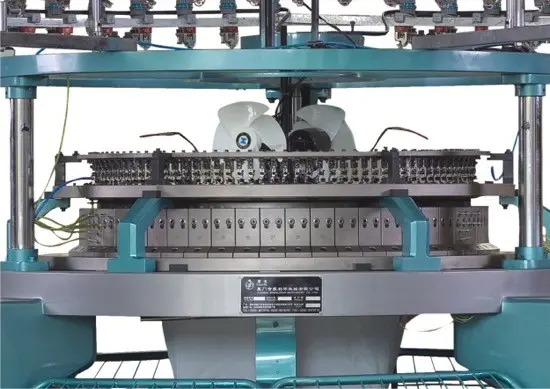
The Electronic Single Terry Fabric Circular Knitting Machine is engineered for performance and adaptability. Its design parameters allow manufacturers to configure the machine based on production requirements:
Diameter: 6–44 inches
Gauge: 14–44 gauge
Number of Feeders:
18F–132F (3 feeders per inch)
24F–176F (4 feeders per inch)
Compatible Materials:
Pure cotton, chemical fiber, blended yarns, silk, artificial wool, and other textile fibers.
This wide range of specifications makes the machine suitable for small specialty fabric production as well as large-scale industrial knitting operations. Manufacturers can tailor machine settings to achieve different textures, densities, and fabric weights, enabling production lines to handle diverse orders without requiring multiple dedicated machines.
One of the defining features of this machine is its four-track cam seal design, which integrates knit cams, tuck cams, and miss cams. This configuration ensures stable needle movement and precise stitch formation. Compared with conventional cam systems, the four-track arrangement provides:
- Enhanced fabric uniformity
- Reduced mechanical vibration
- Improved needle longevity
- Greater pattern versatility
The ability to coordinate multiple cam tracks allows operators to adjust stitch structures without extensive mechanical modifications. This results in faster setup times and increased production efficiency.
The machine incorporates a high-precision central raising and falling system, enabling operators to adjust fabric density quickly and accurately. Fabric weight control is critical in textile manufacturing, as different end uses require specific GSM (grams per square meter) values. For example:
- Lightweight fabrics for sportswear or summer garments
- Medium-weight fabrics for casual wear
- Heavyweight terry fabrics for towels or winter apparel
Traditional machines often require manual adjustments that can be time-consuming and inconsistent. In contrast, the centralized adjustment system simplifies operation and reduces human error, ensuring repeatable production results across batches.
Efficient yarn feeding is essential for high-speed knitting performance. The Electronic Single Terry Fabric Circular Knitting Machine features a specially designed feeding yarn carrier that enhances yarn stability and reduces tension fluctuations. This innovation provides several benefits:
- Smoother yarn delivery
- Reduced breakage rates
- Improved stitch consistency
- Higher operating speeds
The system is also optimized for processing elastic fibers such as Lycra. Elastic yarns are widely used in modern textiles because they add stretch, comfort, and shape retention. However, they require precise tension control. The machine's advanced feeding design ensures that elastic yarns are handled accurately, allowing manufacturers to produce high-quality stretch fabrics without compromising efficiency.
Automation and digital control systems often receive the most attention in modern machinery, but ergonomic design remains equally important. The Electronic Single Terry Fabric Circular Knitting Machine incorporates several operator-focused features:
- A middle feeding yarn transfer ring that simplifies yarn handling
- A layout that allows workers to monitor operation without physical contact with moving parts
- Improved accessibility for maintenance and adjustments
These ergonomic improvements reduce operator fatigue and increase workplace safety. They also enable technicians to oversee production more effectively, minimizing downtime and improving overall productivity.
A major advantage of this knitting machine is its modular architecture. By replacing key internal components—often referred to as “heart parts”—manufacturers can convert the machine into other knitting configurations, such as:
- 3-thread fleece machines
- Terry machines
- Specialty fabric knitting machines
This versatility eliminates the need to purchase separate machines for each fabric type. Instead, factories can adapt a single platform to meet multiple production requirements. For textile manufacturers facing fluctuating market demand, such flexibility is invaluable.
The integration of an electronic control system is one of the most significant technological upgrades in modern knitting machinery. Unlike traditional mechanical machines, electronically controlled models provide:
- Real-time monitoring of machine performance
- Automated adjustments to maintain fabric quality
- Precise speed regulation
- Data tracking for production analysis
Operators can input parameters through digital interfaces, ensuring consistent output regardless of production volume. Electronic systems also enable rapid troubleshooting, as diagnostic functions can detect abnormalities and alert technicians before major issues occur.
The versatility of the Electronic Single Terry Fabric Circular Knitting Machine allows it to serve a wide range of textile sectors.
The machine produces fabrics used in T-shirts, sportswear, casual garments, and stretch clothing. Adjustable gauges and yarn compatibility allow manufacturers to create fabrics with varying textures and elasticity.
Terry fabrics produced by the machine are widely used in towels, bathrobes, blankets, and upholstery materials. The machine's ability to control density and loop structure ensures high absorbency and softness.
Certain technical fabrics—such as protective garments, cleaning cloths, or specialized functional textiles—require precise knitting structures. The machine's programmable control system enables production of these materials with consistent performance characteristics.
High-speed knitting capability is a major selling point for modern textile machinery. This machine's optimized yarn feeding system and stable cam design allow it to operate at elevated speeds without compromising fabric quality. Benefits include:
- Higher output per shift
- Reduced production costs
- Lower energy consumption per unit of fabric
- Shorter lead times for orders
Factories using advanced machines like this can respond quickly to customer demands and maintain competitive pricing in global markets.
The machine's compatibility with a broad range of yarn materials greatly expands its production potential. It can process:
- Natural fibers such as cotton and silk
- Synthetic fibers including polyester and nylon
- Blended yarns combining natural and synthetic materials
- Artificial wool and specialty fibers
This flexibility allows manufacturers to experiment with different fiber combinations to achieve desired performance characteristics, such as moisture-wicking, thermal insulation, softness, or durability.
Industrial knitting machines must operate continuously under demanding conditions. Reliability is therefore a crucial factor. The Electronic Single Terry Fabric Circular Knitting Machine is designed with:
- Durable mechanical components
- Stable structural construction
- Simplified maintenance access
- Reduced wear on moving parts
The four-track cam system distributes mechanical load more evenly, decreasing stress on needles and prolonging component life. As a result, maintenance intervals can be extended, reducing downtime and service costs.
Modern textile markets are highly competitive, with manufacturers facing pressure to deliver high quality at low cost. Advanced knitting machines contribute to competitiveness by:
- Increasing production efficiency
- Improving product consistency
- Reducing labor intensity
- Expanding fabric design options
Factories equipped with such technology can produce premium fabrics while maintaining cost-effective operations, giving them a strategic advantage in both domestic and international markets.
Sustainability is becoming a central concern in textile manufacturing. Efficient machinery plays a major role in reducing environmental impact. This machine contributes to sustainable production through:
- Lower yarn waste due to precise feeding control
- Reduced energy consumption through optimized operation
- Fewer defective fabrics requiring disposal
- Longer machine lifespan
By minimizing waste and maximizing efficiency, advanced knitting equipment supports environmentally responsible manufacturing practices.
Demand for high-performance circular knitting machines is rising as textile producers modernize facilities and upgrade equipment. Several factors are driving adoption:
- Increasing demand for stretch and comfort fabrics
- Growth of athleisure and performance apparel markets
- Expansion of home textile consumption
- Need for automation to offset labor shortages
Industry observers note that machines offering both speed and adaptability are especially attractive, as they enable manufacturers to handle diverse product portfolios without excessive capital investment.
Compared with older mechanical models, the Electronic Single Terry Fabric Circular Knitting Machine offers several clear advantages:
Feature | Conventional Machines | Electronic Single Terry Machine |
Control | Manual | Electronic |
Fabric Consistency | Moderate | High |
Speed | Medium | High |
Flexibility | Limited | Multipurpose |
Maintenance | Frequent | Reduced |
Adjustment Time | Long | Rapid |
This comparison illustrates why many textile factories are transitioning toward electronically controlled knitting systems.
As automation and digitalization continue to shape manufacturing, knitting machines are expected to become even more intelligent. Future versions may include:
- AI-assisted knitting optimization
- Remote monitoring via cloud platforms
- Predictive maintenance analytics
- Integration with factory management systems
These innovations could further enhance efficiency, reduce operational costs, and enable fully automated textile production lines.
Investing in advanced knitting machinery is not merely a technological upgrade; it is a strategic decision. The Electronic Single Terry Fabric Circular Knitting Machine provides factories with:
- Scalability for future growth
- Capability to produce multiple fabric types
- Improved product quality reputation
- Greater adaptability to market changes
In a rapidly evolving global textile landscape, such capabilities can determine whether a manufacturer remains competitive or falls behind.
The Electronic Single Terry Fabric Circular Knitting Machine represents a significant advancement in knitting technology, combining precision engineering, electronic control, ergonomic design, and modular functionality. With its wide range of diameters, gauges, feeder configurations, and material compatibility, it offers textile manufacturers a powerful and flexible production solution.
By enabling high-speed operation, consistent fabric quality, and quick adaptability to different knitting requirements, this machine addresses many of the challenges faced by modern textile factories. Its innovative features not only enhance productivity but also support sustainable manufacturing and long-term cost efficiency.
As demand for high-quality knitted fabrics continues to grow across apparel, home textile, and industrial sectors, machines like this are set to play a central role in shaping the future of textile production. For manufacturers seeking to modernize operations, expand product offerings, and remain competitive in a global market, the adoption of advanced circular knitting technology is no longer optional—it is essential.

We have been committed to manufacturing all types of circular knitting machines with great quality and reasonable price for a long time. Our professional team is highly specialized and problem-solving oriented. We put the most effort into meeting your knitting demands, achieving a win-win situation.