Fleece Knit Fabric Circular Knitting Machine: Revolutionizing Textile Production
Oct 31, 2025
The textile industry has long relied on innovative machinery to meet the growing demand for high-quality fabrics, particularly in the outdoor and apparel markets. Among the most versatile and efficient solutions is the Fleece Knit Fabric Circular Knitting Machine, designed for producing a wide range of interlock and double jersey fabrics. This machine is not only known for its adaptability and precision but also for its ability to deliver consistent, high-quality knit fabrics suitable for both apparel and specialty applications.
With advancements in yarn technology and knitting mechanisms, circular knitting machines for fleece fabric have become a staple in modern textile production. This article delves into the technical features, versatility, and applications of these machines, highlighting why they are a preferred choice for manufacturers seeking efficiency, quality, and flexibility.
The fleece knit circular knitting machine is capable of producing poly cotton interlock fleece fabrics, as well as a wide variety of other knitted materials. Its specifications cater to diverse production needs, making it suitable for manufacturers producing everything from casual apparel to high-performance sportswear.
Key Specifications:
Diameter: 8 to 44 inches
Gauge: 6 to 40 gauge
Feeder Quantity: 16 to 88/106 feeders
Materials: Interlock fabrics, elastic health cloth, twill, air layer, double mesh, high-class men's and women's apparel fabrics, and more.
Unique Features:
The cams on both the lower and upper dials feature a closed-track design, incorporating knit, tuck, and miss cams. This design ensures that yarn feeders can be adjusted independently, which is particularly useful when knitting elastic double jersey fibers with an additional Lycra attachment.
One of the most sought-after models in the market, this machine can knit a diverse range of double jersey fabrics while maintaining stable and consistent performance. Its interchangeable components also allow for easy conversion to rib knitting machines, further expanding its versatility and making it an indispensable asset for textile manufacturers.
Fleece knit fabric has gained immense popularity as an outdoor clothing material due to its unique combination of warmth, softness, and durability. It can be composed of different fibers, with the most common being 100% polyester or polyester blends. These fibers are valued for being soft, durable, and lightweight, making them ideal for activewear and outdoor apparel.
Other fibers frequently used include 100% polyamide or polyamide blends, which provide additional strength and flexibility while maintaining a lightweight structure. Fleece knit fabric is particularly known for its ability to trap warmth, ensuring the wearer remains comfortable even in cold weather.
The fabric’s resilience and softness make it highly sought after for jackets, hoodies, sportswear, track suits, gloves, scarves, and other outerwear items. Additionally, its fuzzy and cozy texture makes it ideal for blankets and winter accessories, offering both warmth and comfort. The fabric's insulating properties are enhanced by its deep pile, which creates a soft, plush surface while improving durability and resistance to wear and tear.
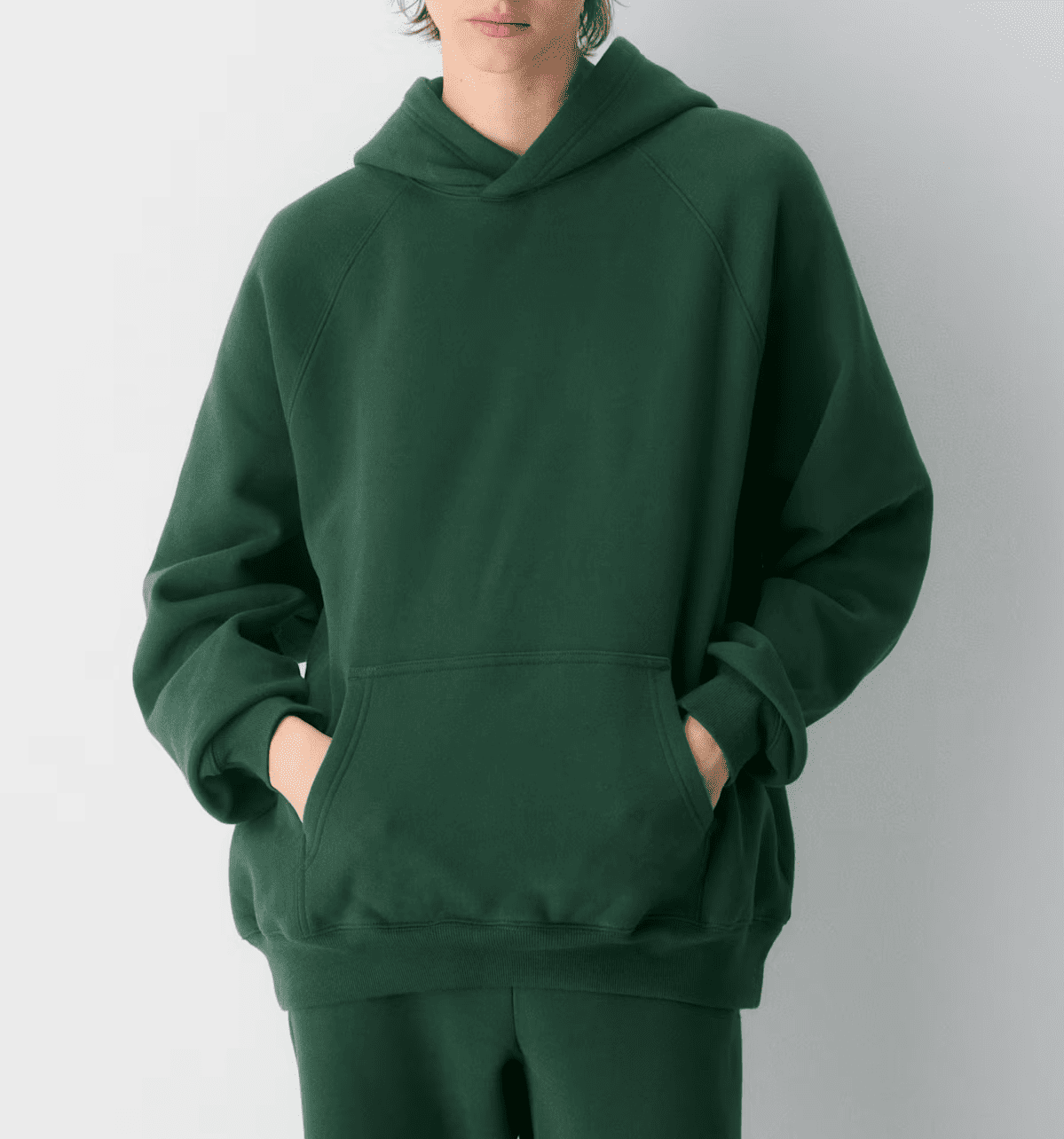
One of the defining characteristics of fleece knit fabric is its balance between strength and comfort. Its construction provides:
Softness: Ensures a cozy feel against the skin.
Stretchiness: Allows for ease of movement in apparel.
Resilience: Retains shape and structure even after repeated use.
Insulation: Traps warmth, making it ideal for colder climates.
Quick-drying: Suitable for activewear and outdoor applications.
The fabric’s fuzzy texture and deep pile not only enhance thermal insulation but also improve its aesthetic appeal, giving it a luxurious, high-quality finish. Fleece knit is widely appreciated for being lightweight yet warm, which makes it particularly suitable for layered clothing systems in outdoor apparel.
Fleece knit fabric is incredibly versatile and finds applications across various sectors:
Apparel: Sweatshirts, track suits, sportswear, coats, hoodies, and jackets.
Accessories: Scarves, gloves, hats, and other winter wear.
Home Textiles: Blankets, throws, and cushions.
Specialty Uses: Technical fabrics for sports and outdoor equipment, insulated linings, and elastic double jersey fabrics.
Its lightweight warmth and soft touch make it a favorite among designers and manufacturers, particularly in the athleisure and outdoor clothing sectors, where comfort and performance are equally important.
The production of fleece knit fabric requires precise machinery and skilled operation. The process involves interlocking yarn strands without knots, creating a loose and porous fabric. This structure contributes to the fabric’s insulating properties and makes it soft and comfortable against the skin.
Key Knitting Techniques
Jersey Stitch: The most commonly used stitch for fleece knit, involving a single needle to create continuous lines of stitching. This results in a tube-like construction, perfect for outerwear and athletic garments.
Multi-Color Yarns: Different colored yarns can be used to create unique patterns and designs, often seen in throws, coats, and high-fashion garments.
Elastic Fibers: By adding Lycra or other elastic yarns, the fabric gains stretchiness and flexibility, suitable for activewear and fitted clothing.
The fleece knit circular knitting machine allows manufacturers to control each yarn feeder independently, giving them full creative control over fabric design, stitch pattern, and texture. Its closed-track cam system ensures precision and repeatability, which is critical for producing high-quality interlock fabrics consistently.
Circular knitting machines offer several advantages over traditional flat knitting machines:
High Production Efficiency: Continuous circular knitting reduces production time compared to manual or flat knitting methods.
Consistent Quality: Precision cams and feeders ensure uniform stitches and fabric structure.
Versatility: Machines can produce single jersey, double jersey, rib, and elastic fabrics, catering to diverse market needs.
Easy Conversion: Many models allow for conversion from fleece knit to rib knit, providing flexibility for manufacturers producing multiple fabric types.
Customization: Independent yarn feeders and adjustable tension systems enable the creation of complex patterns and textures.
Durability: These machines are built to withstand continuous operation, ensuring long-term reliability for high-volume production.
Fleece knit fabrics can be produced from a wide variety of fibers, each offering unique properties:
Polyester: Lightweight, durable, moisture-wicking, and soft.
Polyester Blends: Combine the best qualities of polyester with other fibers for improved elasticity and softness.
Polyamide (Nylon): Adds strength, abrasion resistance, and stretch.
Polyamide Blends: Offers enhanced durability and comfort.
By selecting the right fiber and combining it with modern knitting techniques, manufacturers can produce fabrics that meet specific performance requirements, such as thermal insulation, moisture management, or elasticity.
Fleece knit fabric and circular knitting machines are essential in several industries:
Apparel Manufacturing: Sweatshirts, track suits, sportswear, and winter clothing remain the primary applications.
Outdoor Gear: Jackets, coats, and insulated clothing benefit from fleece knit’s warmth-to-weight ratio.
Textile Design: Circular knitting allows designers to experiment with textures, patterns, and multicolor fabrics efficiently.
Home Textiles: Blankets, throws, and soft furnishings leverage fleece knit’s softness and insulating properties.
Eco-Friendly Fibers: Manufacturers are exploring recycled polyester and sustainable blends to reduce environmental impact.
Technical Fabrics: Integration of moisture-wicking, antimicrobial, and anti-pilling treatments is increasing the functional value of fleece knits.
Customization: Circular knitting machines with independent feeders allow custom patterns, logos, and textures on demand.
Hybrid Fabrics: Combining fleece with elastic yarns, Lycra, or performance fibers meets the growing demand for athleisure and high-performance clothing.
Selecting the right circular knitting machine for fleece fabrics is crucial for achieving high productivity and quality standards. These machines provide:
Flexibility in Diameter and Gauge: Accommodates a wide range of fabric thicknesses and styles.
Precision in Stitch Formation: Ensures uniformity and high-quality output.
Independent Yarn Feeders: Allow for complex fabric designs and incorporation of elastic fibers.
Stable Performance: Reduces downtime and maintains consistent fabric quality.
Interchangeable Components: Easy conversion to other knitting types, including rib and double jersey fabrics.
For manufacturers seeking versatility, reliability, and high-quality fabric production, fleece knit circular knitting machines are an investment in efficiency and innovation.
The fleece knit fabric circular knitting machine represents a critical advancement in textile machinery, blending technology, precision, and versatility to meet the evolving demands of the apparel and home textile industries. Its ability to produce high-quality interlock, double jersey, and elastic fabrics with consistency and efficiency makes it indispensable for modern textile production.
By enabling the creation of lightweight, soft, warm, and durable fabrics, these machines have positioned fleece knit fabric as a preferred choice for outdoor clothing, sportswear, and winter apparel. As innovations continue in fiber technology and knitting mechanisms, the potential applications of fleece knit fabrics are expected to expand even further, reinforcing their importance in the global textile market.
Next: How Terry Knitted Fabric Circular Knitting Machines Shape the Future of Textile Manufacturing

We have been committed to manufacturing all types of circular knitting machines with great quality and reasonable price for a long time. Our professional team is highly specialized and problem-solving oriented. We put the most effort into meeting your knitting demands, achieving a win-win situation.